
Cemo
Cemo storage and dispensing.
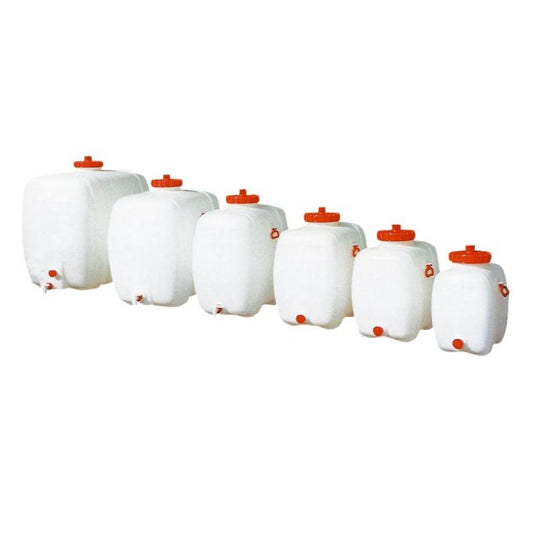
60 Litre Water Carrier
£113.40EX VAT · £136.08 INCView product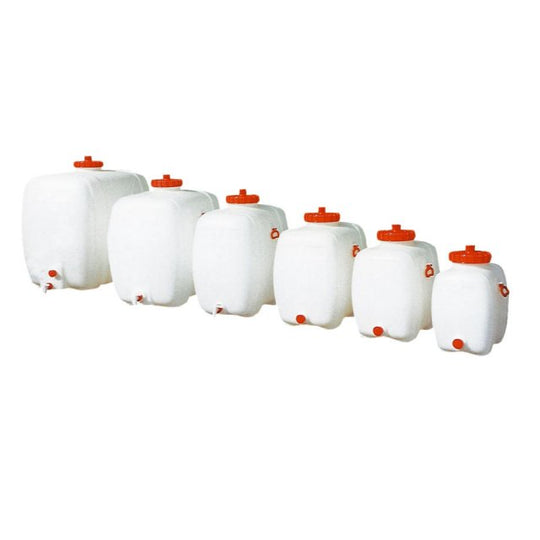
100 Litre Water Carrier
£147.00EX VAT · £176.40 INCView product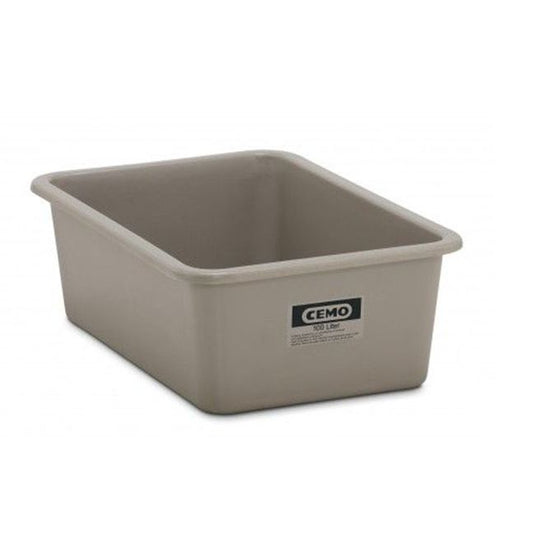
100L GRP Open Container/Trolley
£151.20EX VAT · £181.44 INCView product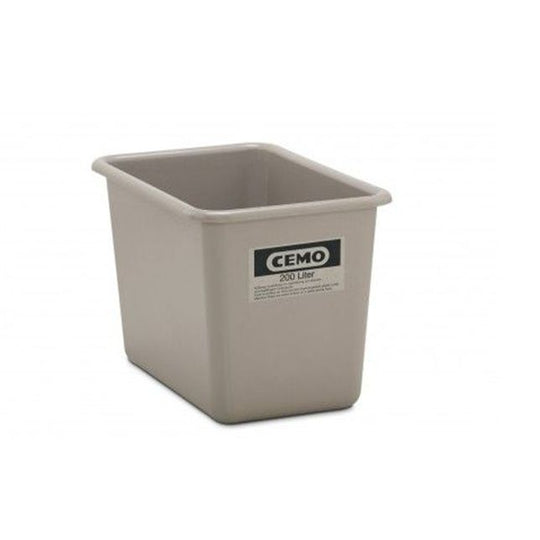
200 Litre GRP Open Container/Trolley
£186.90EX VAT · £224.28 INCView product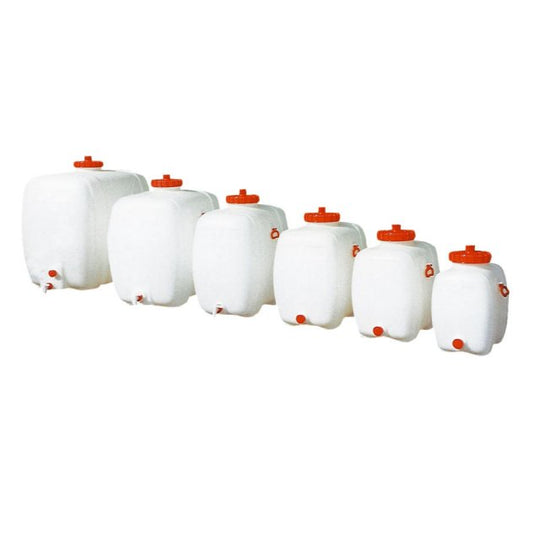
150 Litre Water Carrier
£211.05EX VAT · £253.26 INCView product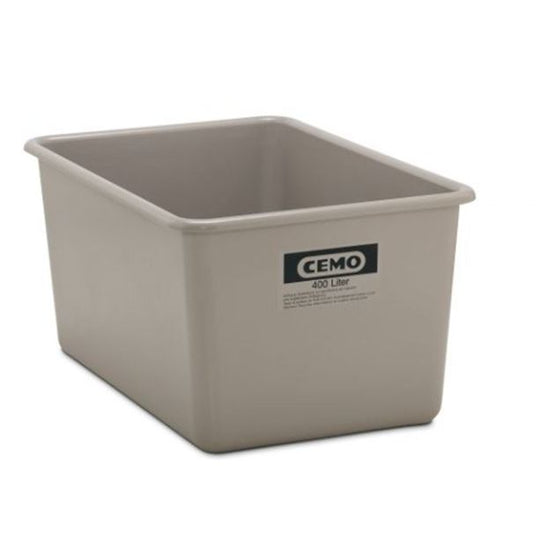
400 Litre GRP Open Container Tank/Trolley
£235.20EX VAT · £282.24 INCView product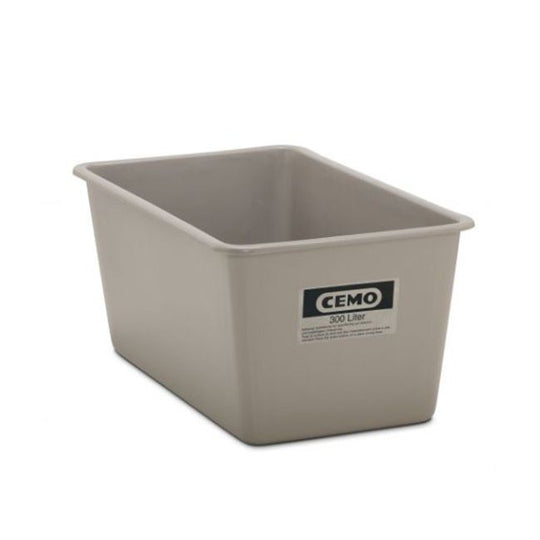
300 Litre GRP Open Container/Trolley
£256.20EX VAT · £307.44 INCView product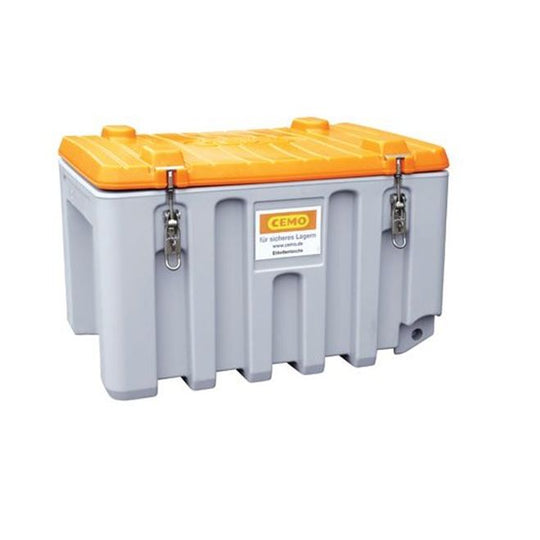
150 Litre CEMbox Heavy Duty Storage Box
£265.65EX VAT · £318.78 INCView product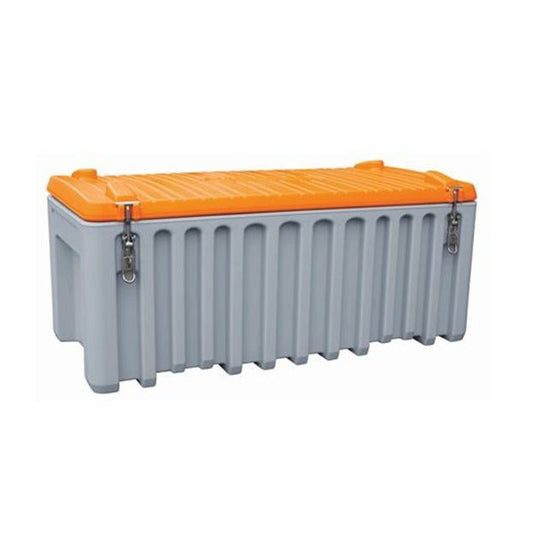
250 Litre CEMbox Heavy Duty Storage Box
£270.90EX VAT · £325.08 INCView product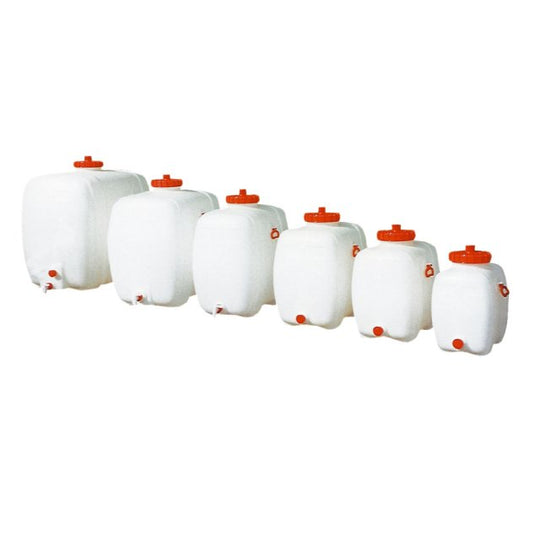
300 Litre Water Carrier
£285.60EX VAT · £342.72 INCView product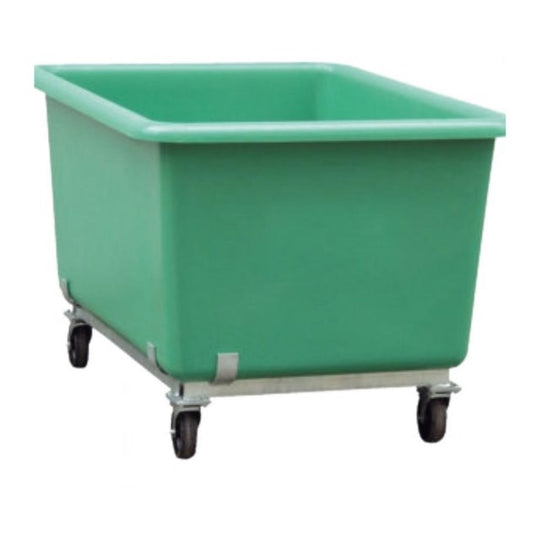
550 Litre Rota Trolley
£493.50EX VAT · £592.20 INCView product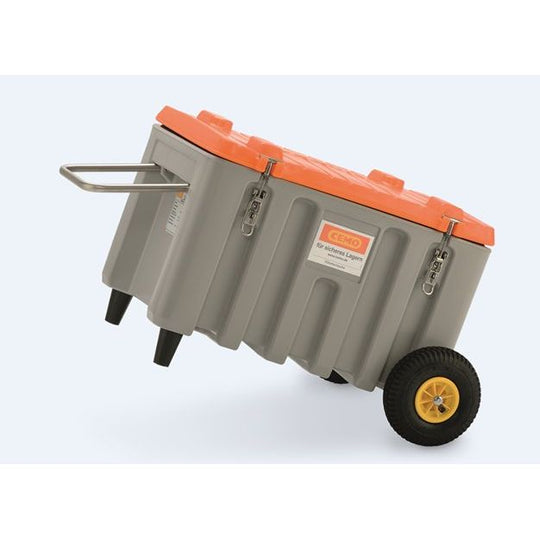
150 Litre CEMbox Offroad Trolley Heavy Duty Storage Box
£353.85EX VAT · £424.62 INCView product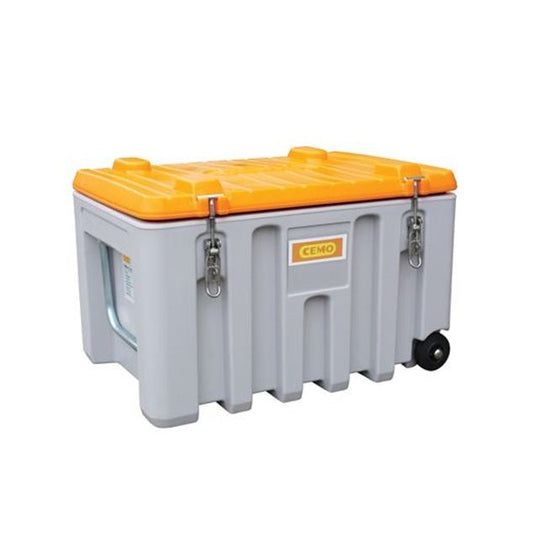
150 Litre CEMbox Trolley / Heavy Duty Storage Box
£355.95EX VAT · £427.14 INCView product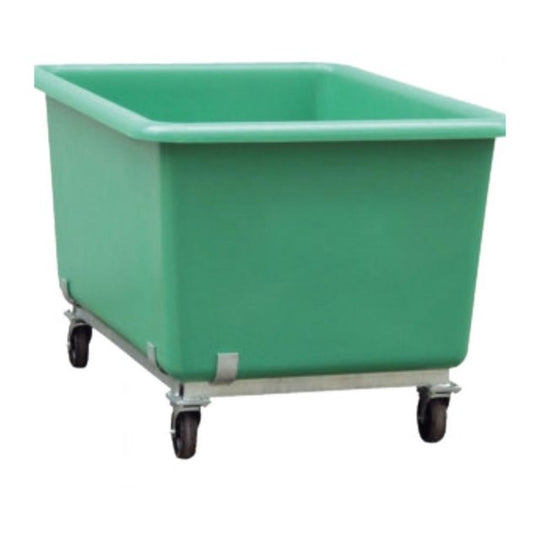
700 Litre Rota Trolley
£403.20EX VAT · £483.84 INCView product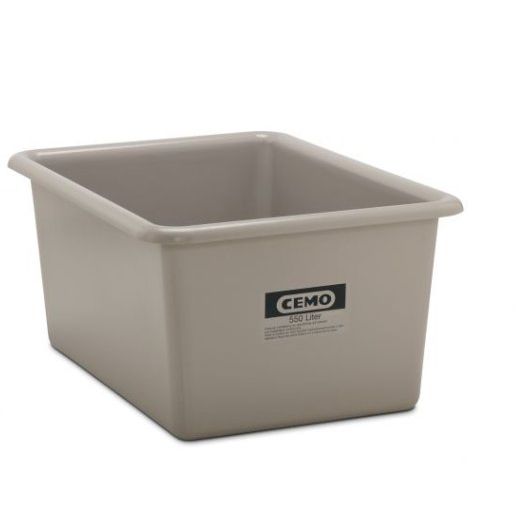
550 Litre GRP Open Container Tank/Trolley
£410.55EX VAT · £492.66 INCView product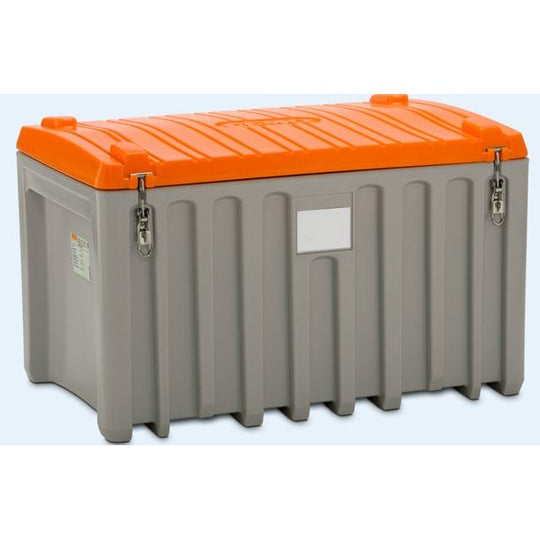
400 Litre CEMbox Heavy Duty Storage Box
£423.15EX VAT · £507.78 INCView product
Talk to a
specialist
Sizing, regulations, installation. Our team has been answering these questions for over 25 years.
Cemo FAQs
What are Cemo tanks typically used for?
Cemo manufacture bunded and single-skin tanks for diesel, AdBlue, lubricants, oil and other fluids, along with mobile fuel stations and dispensing units. They're widely used on farms, construction sites, haulage yards and by any business needing to store or dispense fuel on-site rather than rely on deliveries to individual vehicles. Many ranges are also suitable for water storage and general liquid handling.
Do I need a bunded tank, and what does bunded actually mean?
A bunded tank has an outer containment skin around the inner tank, designed to catch leaks or spills and prevent contamination of ground or water courses. For diesel and oil storage above a certain quantity, UK regulations (including the Oil Storage Regulations and Control of Pollution Oil Storage Regulations) generally require bunding with capacity for at least 110% of the tank's contents. Most Cemo fuel and oil tanks are supplied bunded as standard for this reason.
Can Cemo tanks be moved between sites?
Many Cemo tanks are designed as mobile or transportable units, with forklift pockets, lifting eyes or skid bases built in, making them easy to relocate as work moves between sites. Some models are also designed to be transported on a trailer or flatbed for use as a mobile fuel station. Always check the specific model's weight and dimensions against your towing or lifting equipment before moving a full tank.
What sizes and capacities are available in the Cemo range?
Cemo tanks span a wide range, from smaller mobile units of a few hundred litres suitable for a single vehicle or small plant, up to several thousand litres for yard-based bulk fuel or oil storage. The right size depends on your typical consumption, delivery frequency and available footprint. If you're unsure, work backwards from how often you're prepared to reorder or take deliveries.
Are Cemo tanks suitable for storing diesel and AdBlue together on one site?
Yes, but they need to be stored in separate, clearly labelled tanks — diesel and AdBlue must never share a tank or dispensing pump due to contamination risk. Cemo produce dedicated AdBlue tanks and dispensing equipment built from compatible materials, as AdBlue is corrosive to many metals and unsuitable for standard steel fuel tanks. Check the specification of each tank carefully before combining fuel and AdBlue storage on the same site.
What should I check before installing a Cemo tank on site?
Confirm the ground is level, stable and able to bear the full weight of the tank when filled, and check whether the tank needs to be anchored or sited on a specific base such as concrete. You'll also need to consider access for delivery vehicles, venting requirements, and any local fire or environmental regulations covering fuel and oil storage, particularly near water courses or drains. For larger installations it's worth confirming requirements with your local authority or the Environment Agency before ordering.