Fertiliser& Molasses Tanks
Liquid feed and fertiliser storage.
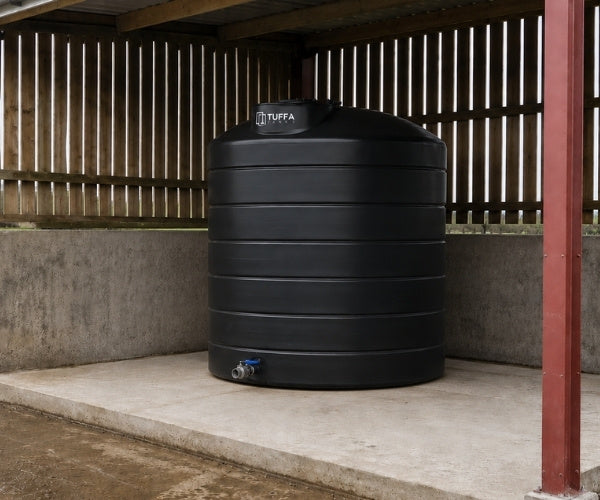
Fertiliser & Molasses Tanks Sub-Categories
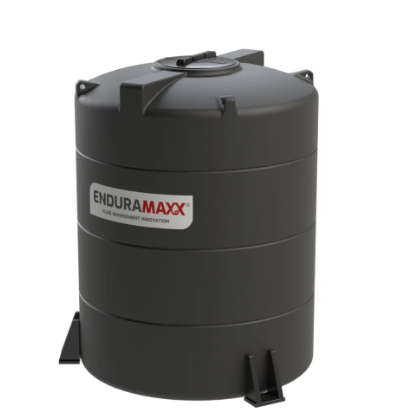
Enduramaxx 2500 Litre Molasses Grade Tank
£809.00EX VAT · £970.80 INCView product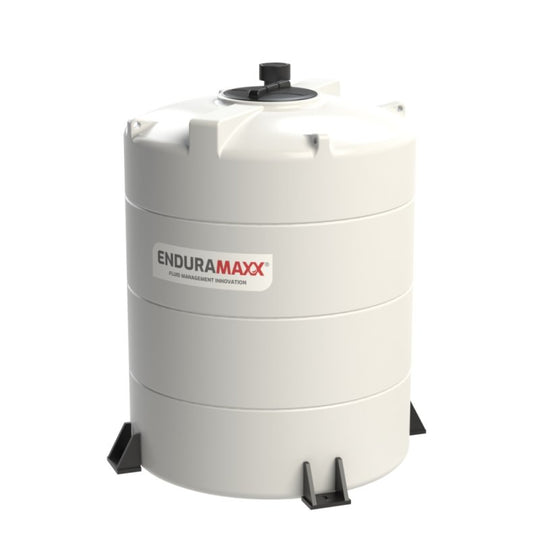
Enduramaxx 2500 Litre Liquid Fertiliser Tank
£855.00EX VAT · £1,026.00 INCView product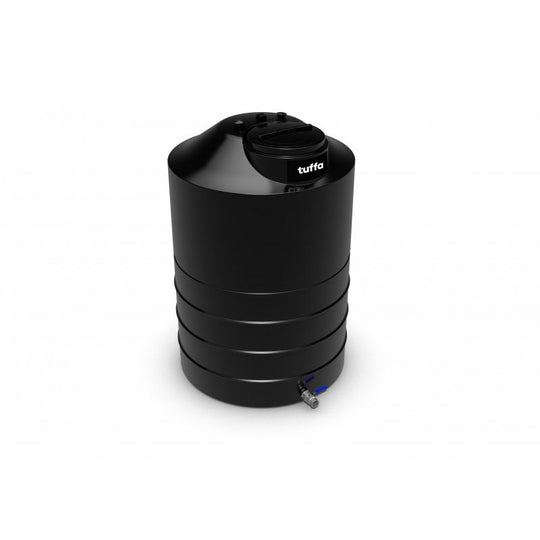
Tuffa 3500 Litre Molasses Tank
£1,280.00EX VAT · £1,536.00 INCView product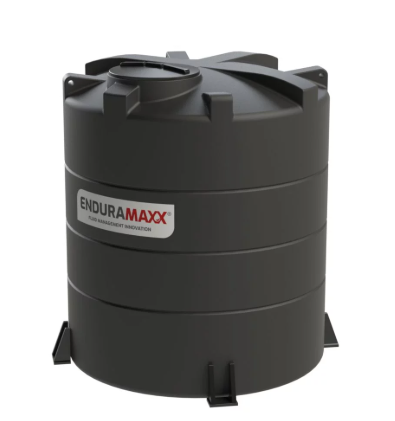
Enduramaxx 5000 Litre Molasses Tank
£1,440.00EX VAT · £1,728.00 INCView product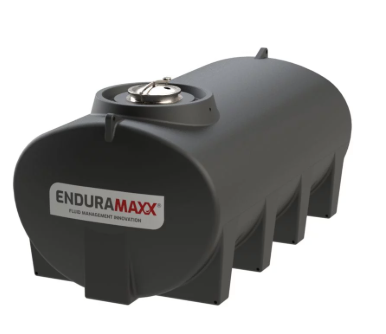
Enduramaxx 6000 Litre Horizontal Fertiliser Tank
£2,435.00EX VAT · £2,922.00 INCView product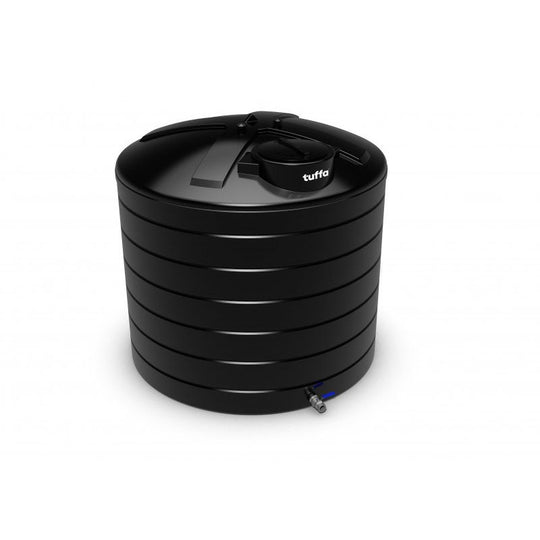
Tuffa 10,000 Litre Molasses Tank
£2,938.00EX VAT · £3,525.60 INCView product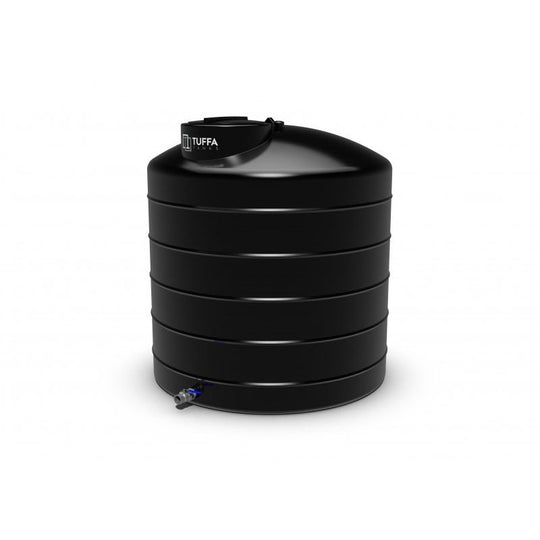
6000 Litre Molasses Tank
£3,337.00EX VAT · £4,004.40 INCView product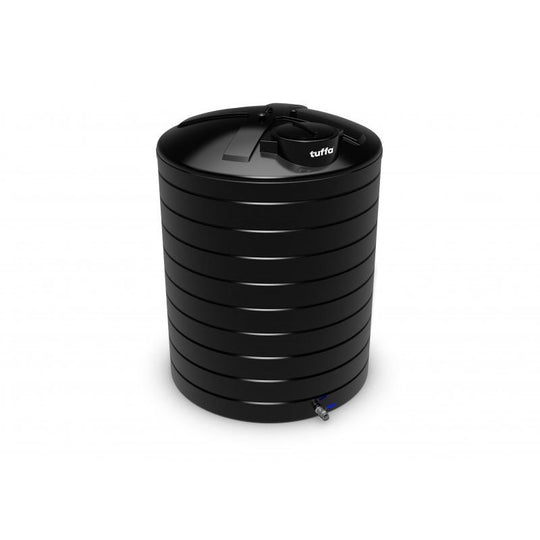
Tuffa 15,000 Litre Molasses Tank
£3,545.00EX VAT · £4,254.00 INCView product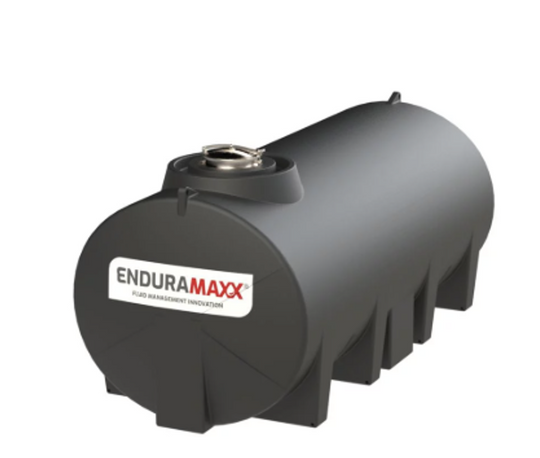
Enduramaxx 10,000 Litre Horizontal Fertiliser Tank
£4,790.00EX VAT · £5,748.00 INCView product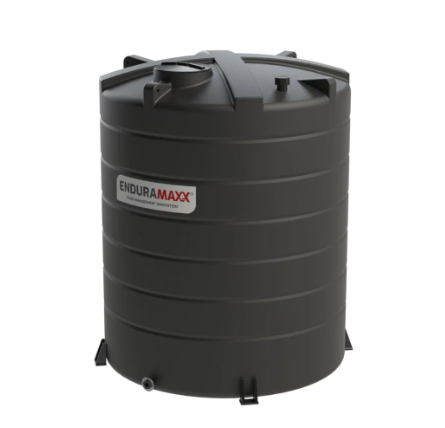
Enduramaxx 20,000 Litre Fertilizer Tank
£5,295.00EX VAT · £6,354.00 INCView product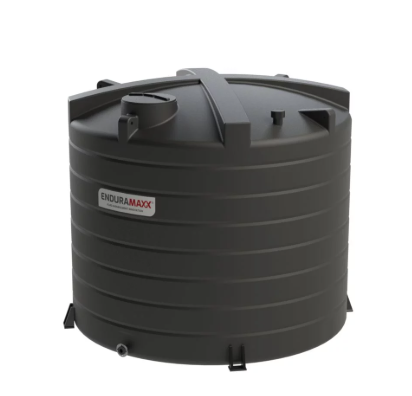
Enduramaxx 26,000 Litre Molasses Tank
£5,685.00EX VAT · £6,822.00 INCView product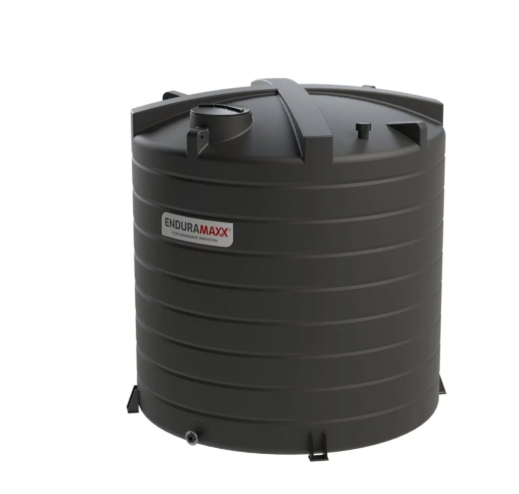
Enduramaxx 30,000 Litre Liquid Fertiliser Tank
£7,150.00EX VAT · £8,580.00 INCView product
Talk to a
specialist
Sizing, regulations, installation. Our team has been answering these questions for over 25 years.
As a farmer, you're always looking for practical ways to keep your operation running smoothly, and here at Tanks Direct, we have just what you need with these liquid fertiliser and molasses storage tanks. These containers, available in sizes from 1250 litres up to 30,000 litres, are designed to hold either liquid fertiliser for your crops or molasses for your livestock. Storing bulk liquid fertiliser or molasses means you're ready whenever your fields or animals need a boost, without the hassle of frequent reordering. Made from high-quality, durable MDPE, they're built to stand the test of time, and you can choose the size and shape that best fits your farm's layout. If you need extra inlets or outlets, some tanks can be adjusted to make filling and dispensing even more convenient. They work well alongside our feeders and food storage setups, helping you keep everything organised and efficient
Fertiliser & Molasses Tanks FAQs
Can the same tank be used for both liquid fertiliser and molasses?
While the MDPE construction is chemically resistant enough for both, we'd always recommend dedicating a tank to one product only. Molasses is viscous and can leave residue that's difficult to fully clean out, which could contaminate a fertiliser load or clog fittings. If you need to switch use, a thorough wash-out and inspection of seals and outlets is essential first.
What size tank do I need for my farm?
This depends on your usage rate and how often you're prepared to reorder or top up. Smaller 1250–5000 litre tanks suit smaller holdings or seasonal top-up use, while 10,000 litre-plus tanks are better for larger arable operations or livestock units going through molasses regularly. Think about delivery frequency from your supplier too — bigger tanks reduce reordering but need more space and a stronger base.
Do these tanks need a bunded or contained base?
Liquid fertiliser storage above a certain volume falls under the Silage, Slurry and Agricultural Fuel Oil (SSAFO) Regulations, which may require secondary containment to prevent pollution incidents. Molasses, while less regulated, is still worth bunding as spills are messy and environmentally unwelcome. Check with your local environmental health or Environment Agency guidance for your specific volume and location.
Can I get extra inlets or outlets fitted to suit my filling and dispensing setup?
Yes, a number of our fertiliser and molasses tanks can be adapted with additional bosses, inlets or outlets to suit gravity feed, pump-fed systems or multiple dispensing points. This is worth planning at the point of order, as retrofitting extra fittings on a rotationally moulded tank isn't always straightforward. Let us know your filling and pumping arrangement and we can advise on the right configuration.
Where's the best place to site a fertiliser or molasses tank?
Choose a flat, firm, level base — concrete is ideal — close enough to your filling point and application equipment to keep pipe runs short. Keep tanks away from watercourses, drains and boreholes in line with pollution prevention guidance, and make sure there's vehicle access for bulk deliveries. Molasses tanks in particular benefit from some shelter, as very cold temperatures can thicken the product and slow dispensing.
How durable are MDPE tanks for long-term outdoor agricultural use?
MDPE (medium-density polyethylene) is UV-stabilised, corrosion-resistant and doesn't degrade the way metal tanks can when exposed to fertiliser chemicals or the acidity of molasses. Left outdoors year-round they'll comfortably handle UK weather extremes, though a level base and basic care around fittings and valves will maximise service life. They're a genuinely low-maintenance option compared with steel alternatives, which need regular checks for corrosion.