GRPSectional Divided TIF Airgap Tanks
Divided TIF with air gap.

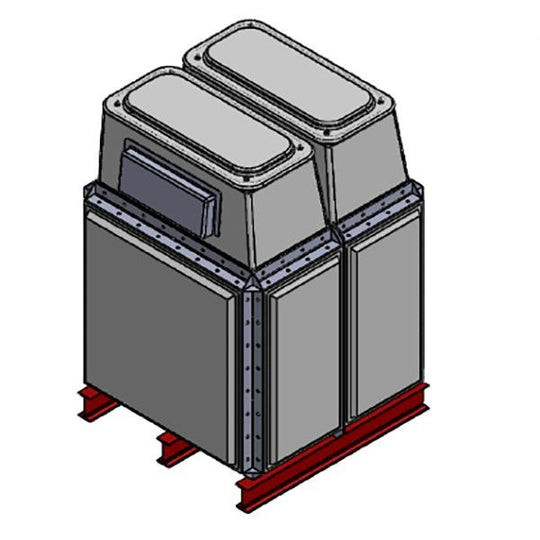
1520 Litre GRP Sectional Water Tank, Totally Internally Flanged, Divided, AB Airgap
£3,378.00EX VAT · £4,053.60 INCView product
2182 Litre GRP Sectional Water Tank, Totally Internally Flanged, Divided, AB Airgap
£3,995.00EX VAT · £4,794.00 INCView product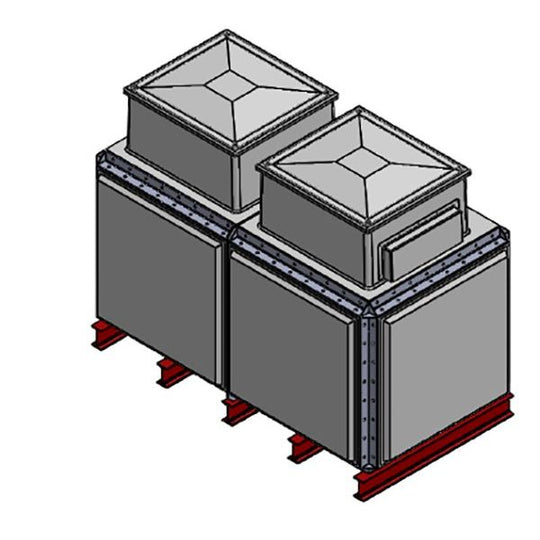
2843 Litre GRP Sectional Water Tank, Totally Internally Flanged, Divided, AB Airgap
£4,557.00EX VAT · £5,468.40 INCView product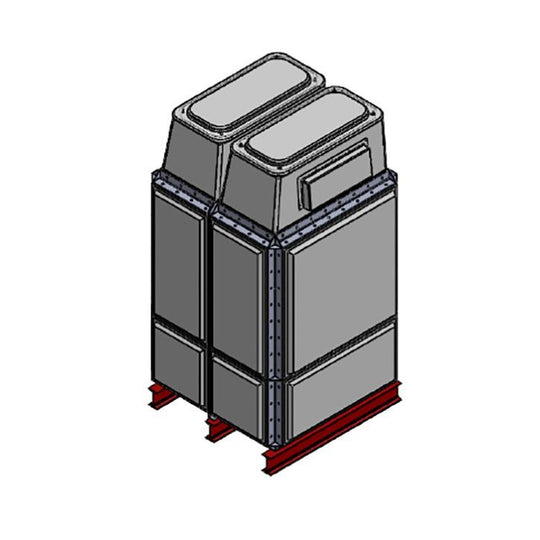
2182 Litre GRP Sectional 1x1x1.5 Water Tank, Totally Internally Flanged, Divided, AB Airgap
£4,586.00EX VAT · £5,503.20 INCView product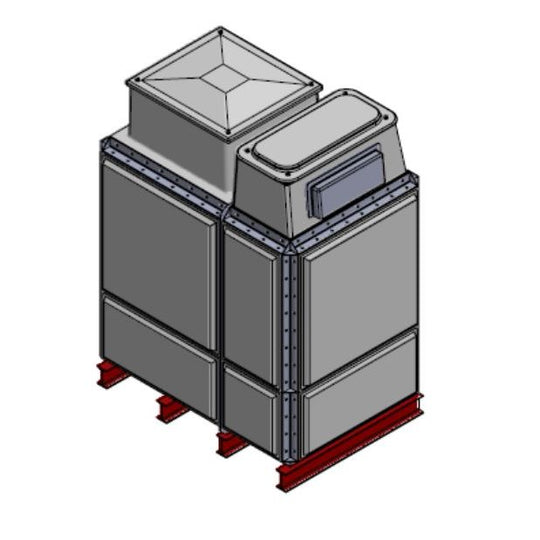
3130 Litre GRP Sectional Water Tank, Totally Internally Flanged, Divided, AB Airgap
£5,180.00EX VAT · £6,216.00 INCView product
2843 Litre GRP Sectional 1x1x2 Water Tank, Totally Internally Flanged, Divided, AB Airgap
£5,252.00EX VAT · £6,302.40 INCView product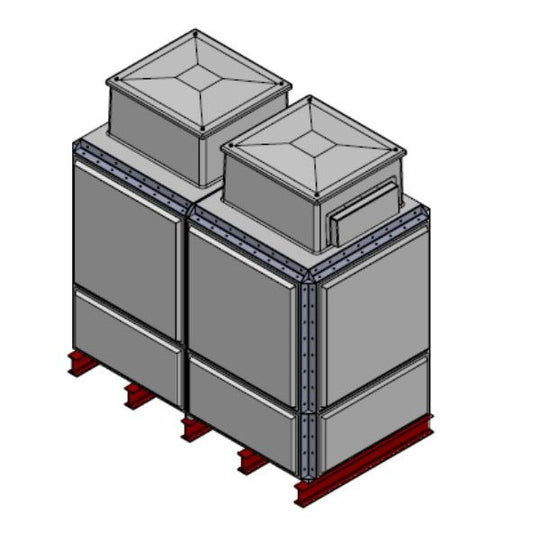
4079 Litre GRP Sectional Water Tank (2x1x1.5), Totally Internally Flanged, Divided, AB Airgap
£5,853.00EX VAT · £7,023.60 INCView product
4079 Litre GRP Sectional 1.5x1x2 Water Tank, Totally Internally Flanged, Divided, AB Airgap
£5,948.00EX VAT · £7,137.60 INCView product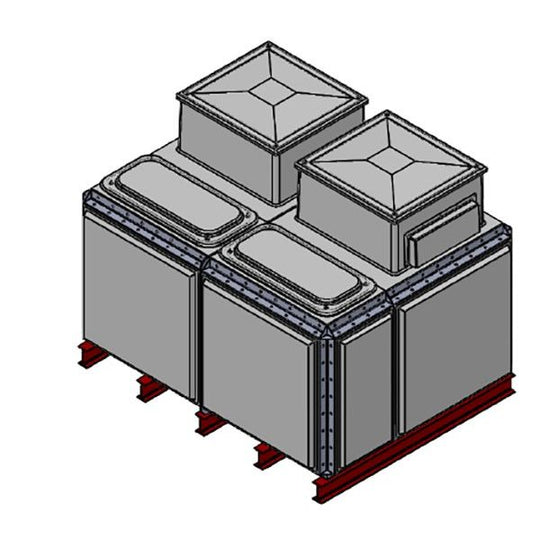
4079 Litre GRP Sectional Water Tank, Totally Internally Flanged, Divided, AB Airgap
£5,948.00EX VAT · £7,137.60 INCView product
4165 Litre GRP 3x1x1 Sectional Water Tank, Totally Internally Flanged, Divided, AB Airgap
£6,025.00EX VAT · £7,230.00 INCView product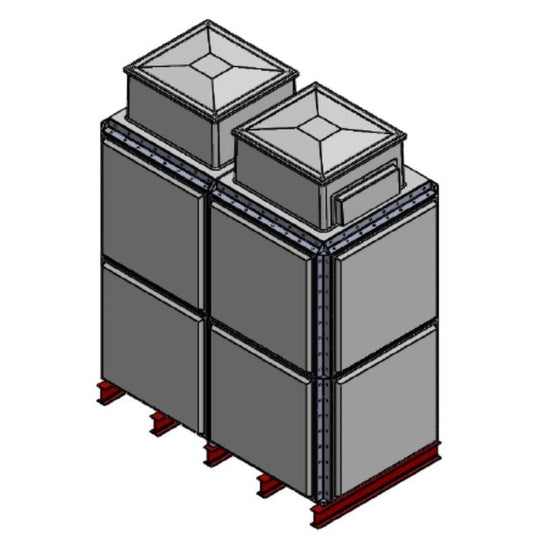
5315 Litre GRP Sectional 2x1x2 Water Tank, Totally Internally Flanged, Divided, AB Airgap
£6,702.00EX VAT · £8,042.40 INCView product
5315 Litre GRP Sectional Water Tank, Totally Internally Flanged, Divided, AB Airgap
£6,996.00EX VAT · £8,395.20 INCView product
5853 Litre GRP Sectional Water Tank, Totally Internally Flanged, Divided, AB Airgap
£7,579.00EX VAT · £9,094.80 INCView product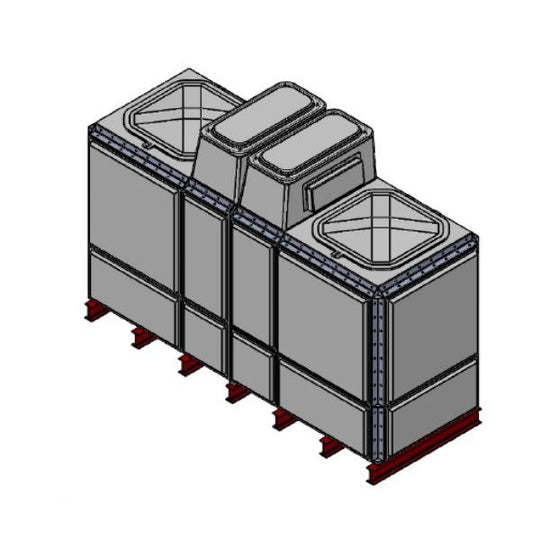
5977 Litre GRP Sectional Water Tank (3x1x1.5), Totally Internally Flanged, Divided, AB Airgap
£7,863.00EX VAT · £9,435.60 INCView product
6552 Litre GRP Sectional Water Tank, Totally Internally Flanged, Divided, AB Airgap
£8,206.00EX VAT · £9,847.20 INCView product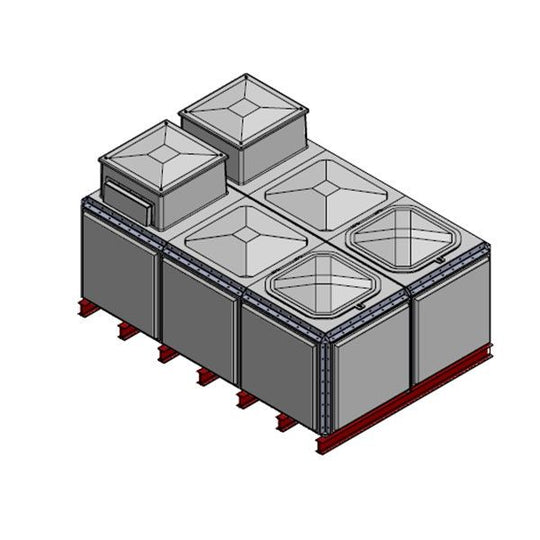
7788 Litre GRP Sectional Water Tank, Totally Internally Flanged, Divided, AB Airgap
£8,716.00EX VAT · £10,459.20 INCView product


Talk to a
specialist
Sizing, regulations, installation. Our team has been answering these questions for over 25 years.
GRP Sectional Divided TIF Airgap Tanks FAQs
What does "divided" mean on these GRP sectional tanks?
A divided tank has an internal baffle wall splitting the cistern into two independent compartments, each with its own inlet, outlet and overflow. This allows one side to be isolated for cleaning, inspection or repair while the other stays in service, which is essential for premises that can't afford a total loss of water supply. It's standard practice for larger commercial and industrial cold water storage installations.
What is a TIF airgap and why do I need one?
TIF (Type A Interposed Cistern with Air Gap) refers to the WRAS-approved AUK1 air gap arrangement, where the inlet discharges above the tank's water line with a defined vertical gap to the overflow/warning pipe. This break in the pipework prevents backflow or back-siphonage from contaminating the mains supply. It's a Water Regulations requirement wherever a tank feeds a boosted system, fire suppression system or any installation deemed a fluid risk category above 2.
How do I work out the right tank size and capacity?
Sizing depends on demand — typically calculated from peak flow rate, storage duration required (often a minimum useful volume for boosted cold water systems) and any fire-fighting reserve if the tank also serves a sprinkler or hose reel system. Divided tanks are usually specified so each compartment alone can meet a defined minimum capacity during maintenance. If you're unsure, give us your usage figures or system spec and we'll help match a suitable model.
What base and support does a sectional GRP tank need?
These tanks require a level, load-bearing base — typically a steel channel or timber joist support grid sat on a concrete slab, sized to the tank's full water weight plus the structure itself. Insulated GRP panels can be specified for outdoor or unheated plant room installations to prevent freezing. It's worth confirming loadings with a structural engineer for roof-level or upper-floor installations, which is common with these larger commercial units.
How are these tanks delivered and installed on site with restricted access?
The main benefit of the sectional design is that each panel is delivered flat-packed and bolted together on site, so the tank can be built inside plant rooms, basements or roof spaces through standard doorways, hatches or lift shafts where a one-piece tank would never fit. Assembly is straightforward with hand tools, though larger divided tanks are best installed by an experienced contractor to ensure joints and gaskets are correctly sealed. Let us know your access route and we can advise on panel sizes.
What maintenance and access do divided GRP tanks need?
Each compartment should have its own lockable inspection hatch, isolation valves and drain-down point so it can be taken offline, cleaned and disinfected independently in line with L8/ACOP guidance on legionella control. Regular inspection of the air gap, float valves, screened overflows and insect-proof vents keeps the system WRAS-compliant. Most commercial users schedule a full clean and water sample every six to twelve months, alternating compartments to maintain continuous supply.