FullRetention Separators
Full-flow oil separation.


Klargester Full Retention Separator - NSFP003 - 170M² drainage area
£988.00EX VAT · £1,185.60 INCView product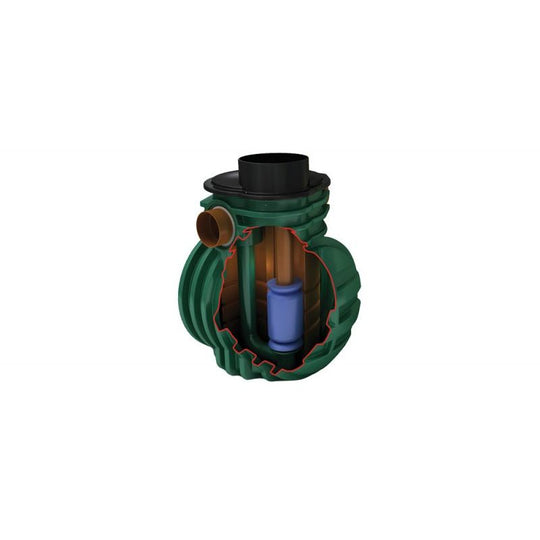
Klargester Full Retention Separator - NSFP006 - 335M² drainage area
£1,171.00EX VAT · £1,405.20 INCView product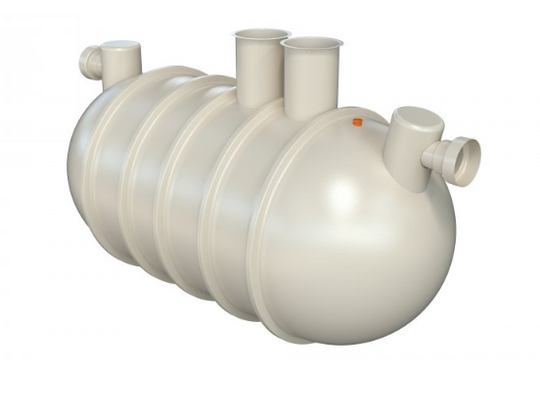
Klargester Full Retention Separator - NSFA010 - 555M² drainage area
£1,895.00EX VAT · £2,274.00 INCView product
Klargester Full Retention Separator - NSFA015 - 835M² drainage area
£2,188.00EX VAT · £2,625.60 INCView product
Klargester Full Retention Separator - NSFA020 - 1115M² drainage area
£3,437.00EX VAT · £4,124.40 INCView product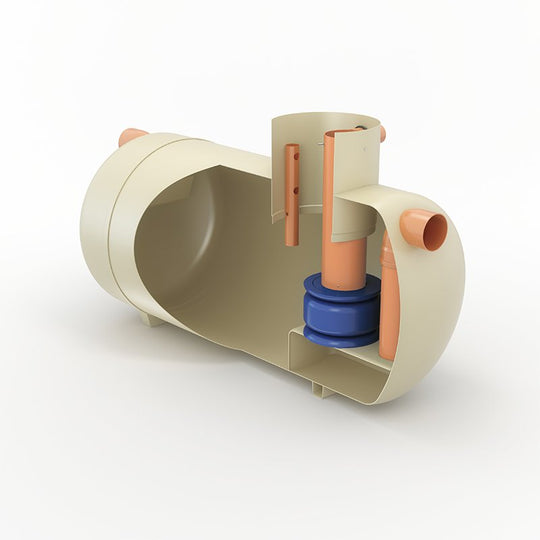
Klargester Full Retention Separator - NSFA030 - 1670M² drainage area
£4,045.00EX VAT · £4,854.00 INCView product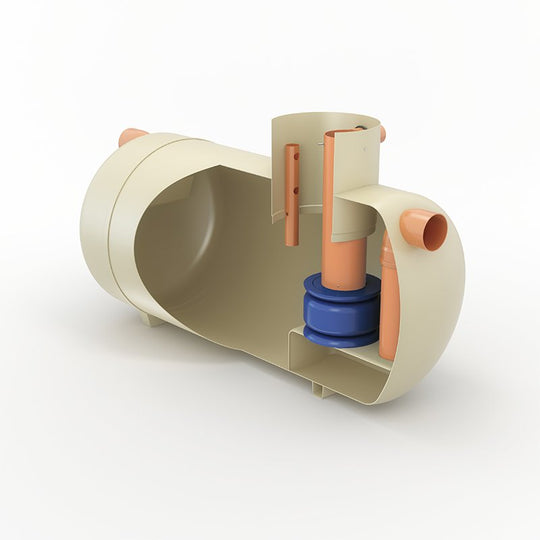
Klargester Full Retention Separator - NSFA040 - 2225M² drainage area
£5,059.00EX VAT · £6,070.80 INCView product
Klargester Full Retention Separator - NSFA050 - 2780M² drainage area
£6,029.00EX VAT · £7,234.80 INCView product


Talk to a
specialist
Sizing, regulations, installation. Our team has been answering these questions for over 25 years.
In environments where surface water contamination poses a significant risk, your protection begins with a full retention separator €“ a critical line of defence for industrial and commercial spaces. Designed to tackle the most challenging pollution challenges, these sophisticated systems are engineered to remove oils, chemicals, and solid contaminants from your entire water flow, ensuring that harmful pollutants never compromise your surrounding environment. From fuel distribution depots and car parks to vehicle workshops and busy forecourts, full retention separators provide comprehensive protection in areas where hydrocarbon and chemical spillages are a constant concern.
The remarkable effectiveness of these separators lies in their intelligent design, featuring an automatic closure device that treats the entire specified drainage flow. This means you're not just managing surface water €“ you're actively preventing potential environmental disasters before they can occur. These systems work silently and efficiently, providing continuous protection that goes far beyond simple compliance, ensuring that your industrial or commercial site remains a responsible and sustainable operation.
Full Retention Separators FAQs
What's the difference between a full retention and a bypass separator?
A full retention separator treats the entire flow from the drainage area, up to a defined maximum flow rate set by the automatic closure device, with any excess simply backing up rather than bypassing untreated. A bypass separator only treats a portion of the flow and diverts higher volumes around the separator, which makes full retention units the correct choice for higher-risk sites like fuel depots and forecourts where any spillage must be captured.
How do I size a full retention separator for my site?
Sizing is based on the total paved or hardstanding area draining to the unit and the resulting peak rainfall flow rate, typically calculated to a specified storm return period. You'll also need to account for the site's pollution risk classification and any local water authority or Environment Agency requirements. We'd always recommend getting your drainage area and impermeable surface figures confirmed by your engineer or drainage consultant before ordering.
Where are full retention separators typically required?
These are specified for sites with a genuine risk of hydrocarbon or chemical spillage entering surface water drainage, such as fuel distribution depots, filling station forecourts, vehicle workshops, hauliers' yards and large car parks. Building control, the Environment Agency or your local authority may make one a planning condition for developments of this type. If you're unsure whether your site needs a full retention or a lower-spec separator, it's worth checking your drainage strategy or planning conditions first.
What materials are full retention separators made from, and does it matter?
Most units are manufactured in GRP (fibreglass) or polyethylene, both of which are lightweight, corrosion-resistant and well suited to below-ground installation. GRP tends to offer greater structural rigidity for deeper installations or higher traffic loading, while polyethylene units are lighter and easier to handle on site. The right choice depends on your ground conditions, invert depth and expected vehicle loading over the chamber.
What's involved in installing a full retention separator?
These are below-ground units requiring excavation, a suitable prepared base (often a concrete slab or backfill as specified by the manufacturer), and correct connection to the inlet and outlet drainage runs. Access covers must be brought up to finished ground level to allow for the ongoing inspection and desludging the system needs. Installation should follow the manufacturer's guidance closely, as incorrect backfilling or bedding is the most common cause of problems later on.
How often does a full retention separator need to be serviced?
Routine inspection is generally recommended every six months, with full desludging and cleaning carried out at least annually or sooner if the oil and silt levels reach capacity. High-risk sites such as busy forecourts may need more frequent attention. Regular servicing isn't just good practice — it's what keeps the separator performing to its design standard and keeps you compliant with your discharge consent.