Cylinders
Hot water storage, direct and indirect.


Boiler Control Cylinder ThermoStat
£17.89EX VAT · £21.47 INCView product
Megaflo Eco 70 Litre Direct Unvented Hot Water Cylinder
£937.00EX VAT · £1,124.40 INCView product
Megaflo Eco 125 Litre Direct Unvented Hot Water Cylinder
£1,084.00EX VAT · £1,300.80 INCView product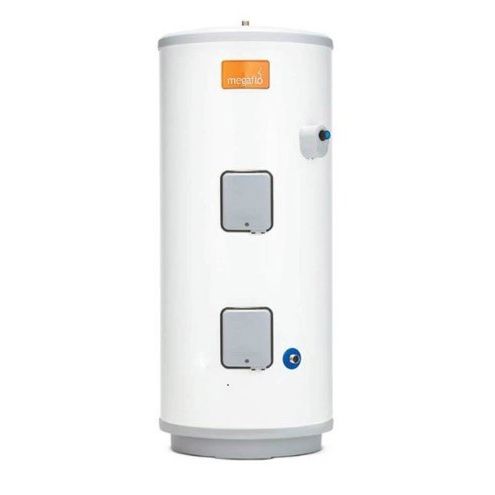
Megaflo Eco 145 Litre Direct Unvented Hot Water Cylinder
£1,298.00EX VAT · £1,557.60 INCView product
Megaflo Eco 170 Litre Direct Unvented Hot Water Cylinder
£1,411.00EX VAT · £1,693.20 INCView product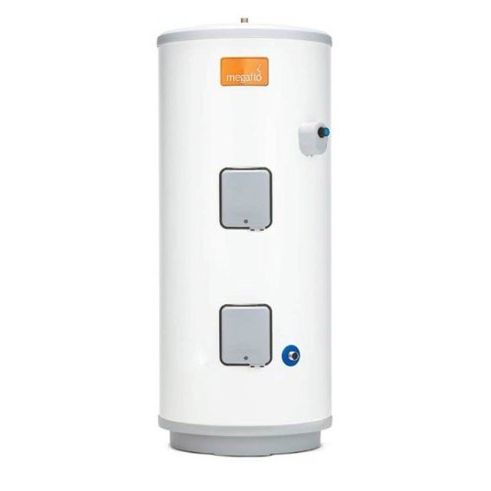
Megaflo Eco 210 Litre Direct Unvented Hot Water Cylinder
£1,512.00EX VAT · £1,814.40 INCView product
Megaflo Eco 250 Litre Direct Unvented Hot Water Cylinder
£1,636.00EX VAT · £1,963.20 INCView product
Megaflo Eco 300 Litre Direct Unvented Hot Water Cylinder
£1,783.00EX VAT · £2,139.60 INCView product


Talk to a
specialist
Sizing, regulations, installation. Our team has been answering these questions for over 25 years.
Experience reliable and efficient hot water with our extensive selection of hot water cylinders and hot water tanks designed to meet the diverse needs of your home or business. Tanks Direct's comprehensive range includes trusted brands such as Kingspan Albion Ultrasteel, Heatrae Sadia Megaflo and Kingspan Albion Aerocyl, available in a range of sizes from 90 litres to 300 litres, ensuring you find the perfect hot water cylinder or hot water tank for your specific requirements. Crafted with advanced technology and energy-efficient features, our hot water cylinders and hot water tanks provide consistent performance while helping you save on energy costs and reduce your environmental footprint. Each hot water cylinder in our collection undergoes rigorous testing to ensure long-lasting reliability and optimal thermal efficiency, giving you peace of mind that your investment will deliver years of dependable service. Whether you need a direct hot water cylinder for straightforward installations, an indirect hot water tank for use with boiler systems, a slimline hot water cylinder for compact spaces, a heat pump compatible unit for renewable energy applications, or a horizontal hot water tank for higher demand commercial settings, our comprehensive range delivers optimal heating performance and exceptional durability.
Cylinders FAQs
What size hot water cylinder do I need?
As a rough guide, allow around 35-45 litres per person for a household with a mains combi top-up, or more if you're running a heat pump with lower flow temperatures. A typical family of four is well served by a 180-210 litre cylinder, while larger properties or those with power showers should look towards 250-300 litres. If in doubt, size up slightly — running out of hot water is a far more common complaint than having too much.
What's the difference between a direct and an indirect cylinder?
A direct cylinder heats water using an internal electric immersion element and is suited to properties without a boiler, or as a standalone solution. An indirect cylinder has a coil inside connected to a boiler or heat pump, which heats the stored water via a heat exchanger — this is the standard setup for most gas, oil or heat pump central heating systems. Indirect cylinders are generally more efficient to run where a boiler is already present.
Are these cylinders compatible with heat pumps?
Yes, several models in this range — including certain Kingspan Albion Ultrasteel units — are specifically designed or suitable for heat pump systems, with larger coil surface areas to work efficiently at the lower flow temperatures heat pumps produce. If you're specifying for a heat pump installation, check the coil size and cylinder's stated compatibility before ordering, as not every indirect cylinder performs well in this application.
What is a slimline or horizontal cylinder used for?
Slimline cylinders have a reduced diameter and are designed for airing cupboards or utility spaces where floor area is tight. Horizontal cylinders lie on their side and are useful where ceiling height is restricted, such as in lofts or under-stair cupboards. Both perform the same job as a standard vertical cylinder but give installers flexibility where space is at a premium.
Do unvented cylinders need an unvented installer or building regs sign-off?
Yes — unvented cylinders (like the Megaflo range) must be fitted by a G3-qualified installer under Building Regulations Part G, as they operate under mains pressure and require correctly specified safety devices such as expansion vessels and pressure relief valves. This isn't optional; installing one without the right qualification is a building regulations breach. Always confirm your installer holds a current G3 certificate before work begins.
What material are these cylinders made from, and does it affect lifespan?
Most cylinders in this range are manufactured from grade 316 or duplex stainless steel, chosen for its resistance to corrosion and scale build-up compared with older copper designs. Stainless steel cylinders typically carry longer warranties — often 20 years or more on brands like Ultrasteel — reflecting their durability in normal domestic water conditions. In hard water areas, descaling or a scale-reducing device is still worth fitting to protect performance long term.