WaterBowsers
Towable and static water transport.


Enduramaxx 1500 Litre Water Bowser
£550.00EX VAT · £660.00 INCView product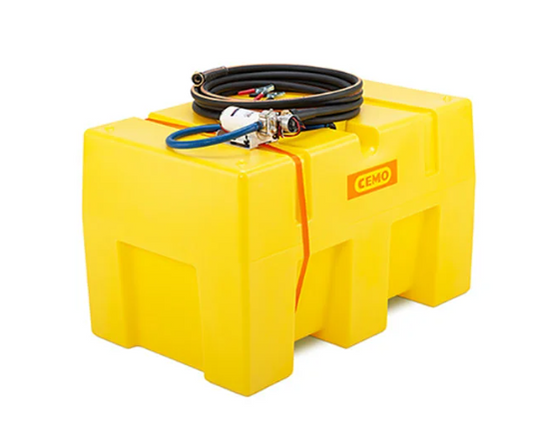
Mobile Irrigation System
£1,580.25EX VAT · £1,896.30 INCView product
Western Global 1100 Litre Skid Mounted Water Bowser
£1,708.00EX VAT · £2,049.60 INCView product
1125 Litre Drinking Water Stacking Tank
£2,104.33EX VAT · £2,525.20 INCView product
1125 Litre Site Water Bowser
£2,171.98EX VAT · £2,606.38 INCView product
Western Global 1100 Litre Site Water Bowsers
£2,597.00EX VAT · £3,116.40 INCView product
Western Global 1100 Litre Site Water Bowser with Platform
£2,599.00EX VAT · £3,118.80 INCView product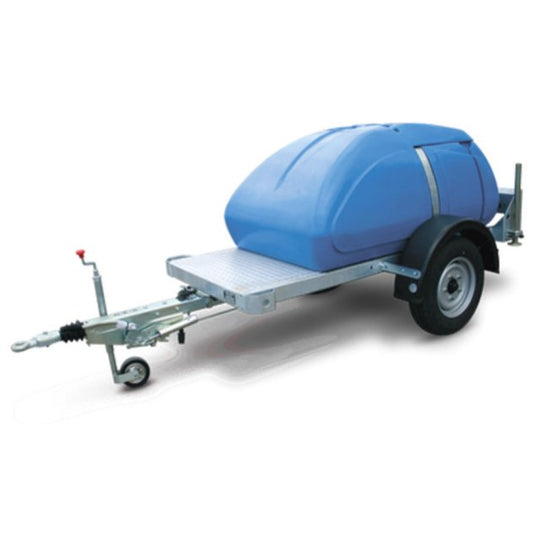
Western Global 1100 Litre Highway Water Bowsers
£2,839.00EX VAT · £3,406.80 INCView product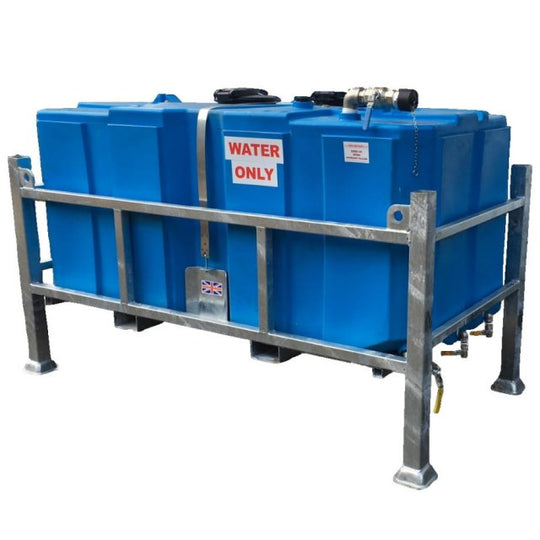
2000 Litre Drinking Water Stacking tank with Hydrant
£2,766.48EX VAT · £3,319.78 INCView product
Western Global 2000 Litre Skid Mounted Water Bowser
£2,802.00EX VAT · £3,362.40 INCView product
1125 Litre Drinking Water Highway Bowser
£3,014.53EX VAT · £3,617.44 INCView product
Enduramaxx 8000 Litre Horizontal Water Bowser
£3,470.00EX VAT · £4,164.00 INCView product
2000 Litre Water and Drinking Water Site Bowser
£3,175.45EX VAT · £3,810.54 INCView product
Western Global 2000 Litre Site Water Bowser
£3,374.00EX VAT · £4,048.80 INCView product
1000 Litre Water Cube, 110V
£4,253.75EX VAT · £5,104.50 INCView product
Western Global 2700 Litre Skid Mounted Water Bowser
£3,756.00EX VAT · £4,507.20 INCView product


Talk to a
specialist
Sizing, regulations, installation. Our team has been answering these questions for over 25 years.
Water bowsers are the perfect choice when you require a reliable solution for transporting and storing large quantities of water. At Tanks Direct, we have a wide range of water bowsers for sale, designed to suit every application. These tanks offer quick and efficient dispensing of water, as well as easy transportation from one location to another.
Whether you're in the construction industry, agriculture, or any other field that demands a portable water storage solution, our water bowsers deliver exceptional performance. Choose from a range of chassis, including highway bowsers for use on the road, site bowsers for when water is required on a work site, and plant watering bowsers often used by gardeners and councils for irrigation.
Constructed from durable materials, our towable water bowsers can withstand challenging environments and rough terrains, ensuring your water remains secure and uncontaminated during transportation. They come equipped with high-quality valves and outlets and are available in a range of sizes and configurations.
Water Bowsers FAQs
Do I need a road-legal bowser or a site bowser?
If the bowser will travel on public roads between locations, you'll need a highway bowser fitted with road lights, indicators and a braked axle above certain weights, plus it must meet current towing regulations for your vehicle and licence category. Site bowsers are built for off-road use within a single work site and don't need road-legal running gear, which keeps them lighter and often cheaper. Check your towing vehicle's capacity and your licence entitlement before choosing either option.
Can water bowsers be used for drinking water?
Only if the tank and all fittings — valves, outlets, seals — are WRAS-approved for potable water storage. Many bowsers are built for non-potable use, such as construction water, dust suppression or irrigation, and using these for drinking water risks contamination. Always confirm potable specification before filling a bowser with water intended for human consumption.
What size bowser do I need?
This depends on your application: smaller bowsers (around 500–1000 litres) suit plant watering and small site work, while larger 2000-litre-plus units are common for construction sites, agriculture or council irrigation rounds. Consider your towing vehicle's capacity too, as a full bowser is significantly heavier than empty, and exceeding your vehicle's braked or unbraked towing limit is both dangerous and illegal. If you're topping up frequently, a mid-size bowser with faster turnaround may be more practical than one large tank.
What materials are water bowsers made from, and does it matter?
Most bowsers use polyethylene tanks mounted on a steel chassis, offering good chemical resistance, UV stability and a lighter overall weight than fibreglass alternatives. The polyethylene construction resists cracking on rough terrain and won't corrode, which matters for agricultural or construction environments where the bowser takes a battering. Always check the chassis has a suitable galvanised or treated finish too, since this is often exposed to the elements more than the tank itself.
How do I fill and empty a water bowser efficiently?
Bowsers typically come with a top-mounted filling point and a bottom outlet valve, often a bayonet or cam-lock fitting, for gravity-fed dispensing. Larger bowsers used commercially may have a pump fitted, either engine-driven or 12V, for faster filling and emptying without relying on gravity alone. Check what outlet size and fitting type you need to match existing hoses or irrigation equipment before ordering.
What maintenance does a water bowser need?
Regularly check the tank for cracks or UV degradation, inspect valves and seals for wear, and flush the tank periodically to prevent algae or sediment build-up, particularly if it's used intermittently. If it's a towable bowser, the chassis, tyres, lights and coupling need routine checks in line with normal trailer maintenance and road safety requirements. Keeping the tank covered or in shade when not in use helps extend its working life, especially for non-potable units left outdoors year-round.