PressurisedPumps
Pressurised water delivery.

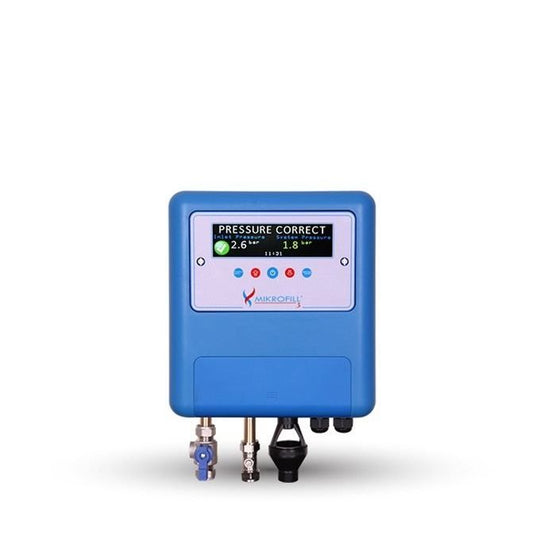
Mikrofill 3 Single Pressurisation Unit
£1,490.00EX VAT · £1,788.00 INCView product
Mikrofill 8 Pressurisation Set with 8 Litre vessel and Service Valve
£1,565.00EX VAT · £1,878.00 INCView product
Mikrofill 12 Pressurisation Set with 12 Litre vessel and Service Valve
£1,565.00EX VAT · £1,878.00 INCView product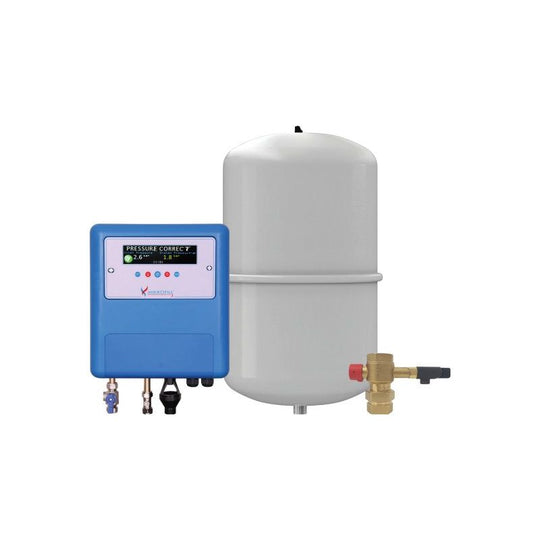
Mikrofill 24 Pressurisation Set with 24 Litre vessel and Service Valve
£1,570.00EX VAT · £1,884.00 INCView product
Mikrofill 18 Pressurisation Set with 18 Litre vessel and Service Valve
£1,570.00EX VAT · £1,884.00 INCView product
Mikrofill MAXI AP140 Single Pump Pressurisation Unit
£2,305.00EX VAT · £2,766.00 INCView product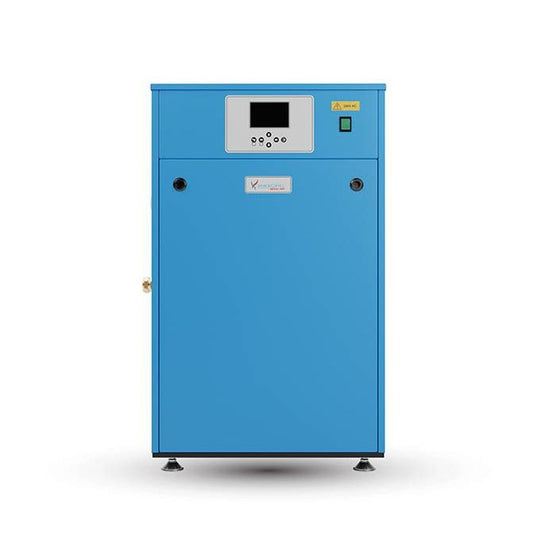
Mikrofill MAXI AP240 Twin Pump Pressurisation Unit
£2,950.00EX VAT · £3,540.00 INCView product
Mikrofill MAXI AP180 Single Pump Pressurisation Unit
£2,950.00EX VAT · £3,540.00 INCView product
Mikrofill MAXI AP280 Twin Pump Pressurisation Unit
£3,800.00EX VAT · £4,560.00 INCView product


Talk to a
specialist
Sizing, regulations, installation. Our team has been answering these questions for over 25 years.
Pressurised pumps are essential for boosting water pressure, ensuring consistent water flow throughout your property to enhance the performance of your water-dependent appliances and systems. They work by drawing water from the water supply and increasing its pressure using a centrifugal or jet pump. This elevated pressure ensures that water can reach all fixtures and appliances efficiently, preventing issues like low water flow or inadequate pressure for showers or appliances. From residential homes to commercial buildings and industrial facilities, we have a wide range of quality pressurised pumps to significantly improve your water usage experience and increase the overall efficiency of your plumbing system. Lookout for features, such as maximum flow rate, head pressure, and energy efficiency ratings to help you choose the right pump for your need €“ and remember, we offer expert advice to help you.
Check out our above groundwater pump stations for comprehensive water distribution, or our swimming pool and garden pumps for specific outdoor applications. We also offer a Price Match guarantee, so you can be confident you're getting a great price.
Pressurised Pumps FAQs
How do I size a pressurised pump for my property?
You need to work out your peak demand — the number of outlets likely to be used simultaneously — and the flow rate and head pressure required to serve them adequately. As a rule of thumb, allow around 15-20 litres per minute per outlet, then check the pump's performance curve to confirm it can deliver that flow at the head height you need. If you're unsure, our team can talk through your outlet count and pipe run to recommend a suitable model.
What's the difference between a centrifugal pump and a jet pump?
Centrifugal pumps use a rotating impeller to move water and are best suited to boosting pressure where there's already a reasonable incoming supply. Jet pumps create a vacuum to draw water from a lower level, such as a borehole or underground tank, making them the better choice where suction lift is involved. Most whole-house pressure-boosting applications use centrifugal pumps, while jet pumps are more common for well or tank-fed systems.
Can a pressurised pump be fitted to the mains water supply?
In most cases, no — connecting a pump directly to the mains without permission from your water company is against water regulations, as it can cause pressure fluctuations for neighbouring properties. Pumps are generally fitted downstream of a break tank, or used to boost supply drawn from a private source such as a borehole or storage tank. If you're on mains water and struggling with low pressure, speak to your supplier first, as there may be a fault on the network rather than a need for a pump.
Do pressurised pumps need to run constantly, or do they switch on and off?
Most modern pressurised pumps use a pressure switch or variable-speed controller so they only run when an outlet is opened, then cut out once demand stops or the system reaches its set pressure. This is far more energy-efficient than a pump running continuously, and reduces wear on the motor. Look at the energy efficiency rating and control type when comparing models, as this affects both running costs and how quiet the system is in use.
What maintenance do pressurised pumps need?
Regular checks should include inspecting seals and connections for leaks, cleaning or replacing inlet strainers to prevent debris ingress, and checking the pressure vessel's air charge if fitted. Most manufacturers recommend an annual service, particularly for pumps used year-round or in hard water areas where scale can build up. Keeping the pump housing clear and well-ventilated also helps prevent overheating and extends its working life.
Are pressurised pumps suitable for outdoor or unheated installations?
Many pumps are designed for indoor or plant room use and aren't frost-protected, so they need to be sited somewhere that stays above freezing, or fitted with trace heating and insulation if located outside. Check the IP rating and housing material if the pump will be exposed to damp conditions, such as in an outbuilding or pump chamber. For genuinely outdoor applications like garden irrigation or pool circulation, look at our dedicated garden and swimming pool pump ranges, which are built for that environment.