SmallSilage Tanks
Compact effluent storage.


Clearwater 2800 Litre Silage Tank
£1,659.00EX VAT · £1,990.80 INCView product
Clearwater 3800 Litre Silage Tank
£1,987.00EX VAT · £2,384.40 INCView product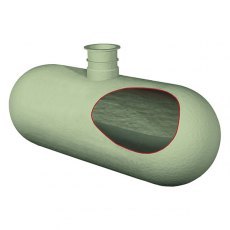
Clearwater 4800 Litre Silage Tank
£2,306.00EX VAT · £2,767.20 INCView product
Clearwater 5700 Litre Silage Tank
£2,502.00EX VAT · £3,002.40 INCView product
Clearwater 7150 Litre Silage Tank
£3,074.00EX VAT · £3,688.80 INCView product
Clearwater 9150L Silage Tank
£3,497.00EX VAT · £4,196.40 INCView product


Talk to a
specialist
Sizing, regulations, installation. Our team has been answering these questions for over 25 years.
Efficient waste collection is crucial for your farm's daily operations. That's why we offer compact tanks that provide reliable storage for veterinary and animal waste until collection day. Our small silage tanks offer the perfect waste management solutions for farms with limited space or smaller livestock operations. Built from durable Glass Reinforced Plastic (GRP) with specialist liners, these below-ground units handle the toughest agricultural conditions while maintaining excellent hygiene standards. The streamlined design means you can install these tanks without sacrificing valuable yard space, while the solid construction ensures years of dependable service. Each tank maintains the same high-quality materials and manufacturing standards as our large silage tanks, just in a size that works better for your specific requirements.
Small Silage Tanks FAQs
What size range do small silage tanks come in?
Small silage tanks are typically available from around 2,500 to 10,000 litres, making them suitable for smaller herds or farms where yard space is at a premium. This is a good deal more compact than our large silage tank range, which is designed for bigger dairy or beef operations. If you're unsure which capacity suits your effluent output, it's worth working out your daily silage tonnage first, as this dictates run-off volume.
Do I need planning permission or building regulations approval to install one?
Most below-ground agricultural tanks don't need planning permission, but you should always check with your local authority, particularly if the site is near a watercourse or in an environmentally sensitive area. You'll also need to comply with the Environment Agency's Silage, Slurry and Agricultural Fuel Oil (SSAFO) regulations, which set minimum standards for effluent storage capacity and construction. Getting this wrong can mean costly remedial work, so check requirements before you dig.
Why are these tanks made from GRP rather than polyethylene?
GRP (Glass Reinforced Plastic) offers excellent structural rigidity below ground, resisting deformation from soil pressure and groundwater without needing extensive concrete surrounds. It also holds up well against the corrosive nature of silage effluent, which is highly acidic. Combined with a specialist liner, GRP tanks give a long service life even in demanding farmyard conditions.
How much groundwork is needed for installation?
Because these tanks are compact and below-ground, excavation is generally more manageable than for full-size silage tanks, though you'll still need a level, stable base — typically a concrete bed or pad depending on ground conditions. Access for delivery and lifting equipment should be considered before the tank arrives, as GRP units are rigid and can't be manoeuvred through tight gaps. We'd always recommend checking site access and soil type with your installer beforehand.
How often will the tank need emptying?
This depends on your silage volume, seasonal effluent run-off and tank capacity, but smaller tanks naturally require more frequent collection than larger installations. Many farms schedule emptying to coincide with silage-making periods when effluent output is highest. Keeping a simple log of fill rates in the first season helps you plan a realistic collection schedule going forward.
Can a small silage tank also be used for other farm waste?
These tanks are specifically designed and lined for silage effluent, which is far more acidic and aggressive than general slurry or dirty water. Using them for other waste types could compromise the liner or breach SSAFO storage requirements if capacities are shared. If you need separate storage for veterinary waste or general yard run-off, it's best to size and specify a dedicated tank for that purpose.