GRPInsulated
Insulated GRP storage.
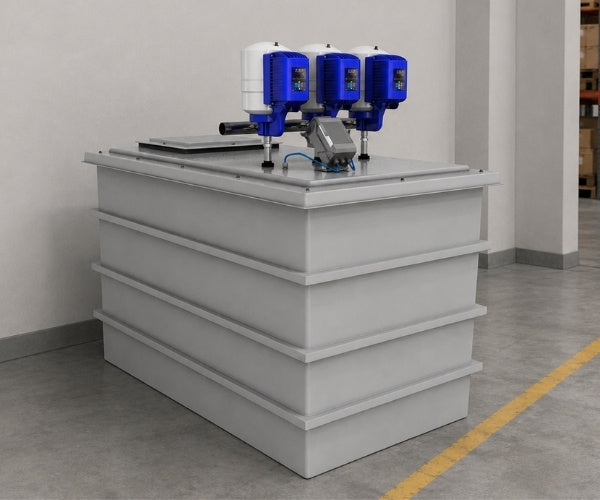

1000 Litre GRP Water Tank with a Triple Pump Booster Set
£6,396.00EX VAT · £7,675.20 INCView product
1500 Litre GRP Water Tank with a Triple Pump Booster Set
£6,825.00EX VAT · £8,190.00 INCView product
1220 Litre GRP Water Tank with a Triple Pump Booster Set
£6,968.00EX VAT · £8,361.60 INCView product
1501 Litre GRP Water Tank with a Triple Pump Booster Set
£7,278.00EX VAT · £8,733.60 INCView product
1050 Litre GRP Water Tank with a Triple Pump Booster Set
£7,125.00EX VAT · £8,550.00 INCView product
3001 Litre GRP Water Tank with a Triple Booster Pump Set
£8,342.00EX VAT · £10,010.40 INCView product
2501 Litre GRP Water Tank with a Triple Pump Booster Set
£8,415.00EX VAT · £10,098.00 INCView product
AquaPod Mini - 2000 Litre Below Ground System
£12,940.00EX VAT · £15,528.00 INCView product


Talk to a
specialist
Sizing, regulations, installation. Our team has been answering these questions for over 25 years.
Our GRP insulated tanks and pumps represent the pinnacle of water storage technology for residential and commercial properties, combining high-quality glass reinforced plastic (GRP) construction with superior insulation properties and an integrated pumping system to offer you a complete water management package. You can rely on our products to maintain consistent water temperature whilst reducing energy costs through excellent thermal efficiency €“ a practical investment for any property owner concerned about long-term running expenses. At Tanks Direct, we understand that reliability is paramount when it comes to your water storage needs, which is why our GRP insulated tanks are manufactured to the highest British standards, featuring corrosion-resistant materials that ensure longevity even in challenging environments. The built-in pumping systems are engineered for optimal performance, providing steady water pressure and dependable operation year after year. The pre-configured design means installation is straightforward and quick, saving you valuable time and labour costs, and the compact footprint of these integrated units makes them ideal for properties where space is at a premium.
GRP Insulated FAQs
What does "GRP insulated" actually mean and why does it matter?
GRP (glass reinforced plastic) insulated tanks have a foam or dual-skin insulation layer built into the tank wall, rather than relying on external lagging. This keeps stored water at a more stable temperature, reducing the risk of freezing in winter and limiting bacterial growth from warm water in summer. It also cuts the energy needed to reheat or repump water, which matters if the tank feeds a pressurised system.
Do these tanks come with the pump included, or do I need to buy one separately?
Units in this collection are supplied as pre-configured packages with an integrated pumping system already fitted, so there's no need to source and plumb in a separate pump. This includes the associated pipework and controls needed for steady pressure delivery. You'll still need to arrange the electrical supply and any external pressure vessel or controller specified by the pump manufacturer.
Where are GRP insulated tank and pump packages typically used?
They're commonly specified for properties off the mains pressure network, holiday lets, rural homes on borehole or well supply, and commercial sites needing a reliable boosted water supply. The insulation makes them well suited to above-ground or partially exposed installations where temperature fluctuation would otherwise be a problem. They're also popular where space is tight, as the tank and pump share one compact footprint rather than needing separate plant rooms.
Can these tanks be installed above ground, or do they need to be buried?
Most GRP insulated tank and pump units are designed for above-ground installation, which is one of their main advantages over standard buried tanks — no excavation, groundworks or backfill required. They still need a firm, level, load-bearing base and, if sited outdoors, some protection from direct sun and extreme wind exposure. Always check the specific unit's siting requirements, as insulation ratings vary between models.
What size tank do I need for a typical household or small commercial supply?
Sizing depends on daily demand, number of occupants or outlets, and whether the tank is a sole supply or backup. As a rough guide, domestic properties often use tanks in the 1,000–5,000 litre range, while commercial or multi-occupancy sites need higher capacity and a pump matched to peak simultaneous demand. It's worth calculating your actual daily consumption before ordering, as an undersized pump will struggle to maintain pressure at busy times.
Are GRP insulated tanks suitable for storing drinking water?
Some models in this range are WRAS approved for potable water storage, but not all — it depends on the specific tank and liner material used. If you need the supply for drinking, cooking or washing, check the WRAS approval status of the exact product before purchase. For non-potable uses such as irrigation or general utility supply, this isn't a requirement, but it's still good practice to confirm what the tank is rated for.