LargeCommercial Grease Traps
High-volume FOG management.


190 Litre GreaseMaxx
£283.00EX VAT · £339.60 INCView product
800 Litre GreaseMaxx
£607.00EX VAT · £728.40 INCView product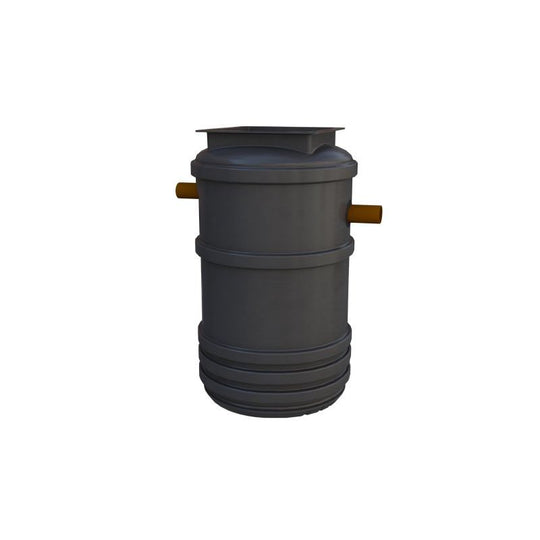
1200 Litre GreaseMaxx
£730.00EX VAT · £876.00 INCView product
1000 Litre Grease Separator
£767.00EX VAT · £920.40 INCView product
1600 Litre GreaseMaxx
£874.00EX VAT · £1,048.80 INCView product
1800 Litre Grease Separator
£892.00EX VAT · £1,070.40 INCView product
3400 Litre GreaseMaxx
£1,141.00EX VAT · £1,369.20 INCView product
3000 Litre Grease Separator
£1,300.00EX VAT · £1,560.00 INCView product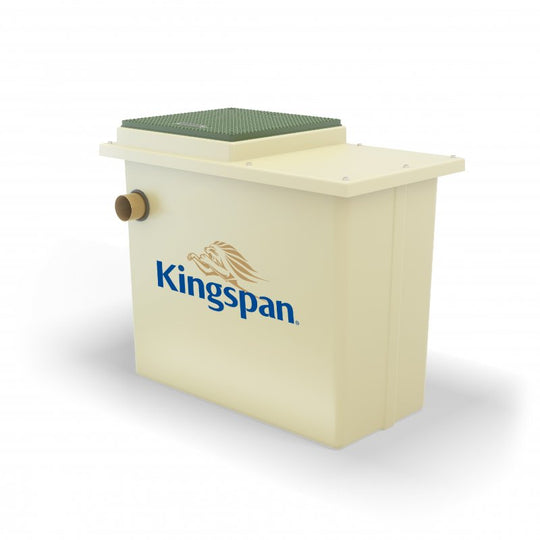
500 litre - Klargester Grease Separator NSG01
£1,909.00EX VAT · £2,290.80 INCView product
5000 Litre Grease Separator
£2,105.00EX VAT · £2,526.00 INCView product
1000 litre - Klargester Grease Separator NSG02
£3,222.00EX VAT · £3,866.40 INCView product


Talk to a
specialist
Sizing, regulations, installation. Our team has been answering these questions for over 25 years.
If you operate an industrial facility that deals with large volumes of grease and oil, a commercial grease trap from Tanks Direct will help you separate grease and oil from your wastewater. The accumulation of grease and oil in plumbing systems can lead to costly repairs and downtime for your operations. A grease trap will prevent grease and oil from entering your sewage system, preventing clogs, blockages, and backups in your plumbing infrastructure. Whether you're looking for grease traps for commercial kitchens or major industrial facilities, we have a wide range for you to choose from.
Grease traps act as a barrier, capturing and containing grease before it enters your drainage system, and our industrial grease traps are specially designed to handle the high demands of your industrial setting. This not only saves you from expensive repairs but also ensures the smooth flow of your wastewater.
Industrial facilities are subject to strict regulations regarding the proper disposal of grease and oil. Failure to comply with these regulations can result in hefty fines, so it is important to operate within the law and maintain a clean and responsible operation. Industrial facilities have a significant impact on the environment, and grease traps can play a vital role in reducing pollution by intercepting and containing grease and oil, preventing them from entering local water bodies and ecosystems.
Large Commercial Grease Traps FAQs
How do I size a commercial grease trap for my kitchen or facility?
Sizing depends on peak flow rate, the number of appliances discharging to the trap (sinks, dishwashers, floor drains) and daily covers served in a catering operation. Undersizing leads to poor separation and frequent overflows, so it's worth calculating flow rate in litres per second rather than just guessing on volume. If you're unsure, get in touch with our team with your kitchen layout and we'll help you match the correct model.
Should I choose a GRP or steel grease trap?
GRP (fibreglass) grease traps are corrosion-resistant, lightweight and well suited to below-ground or outdoor installation where they won't be affected by rust. Stainless steel units are typically used indoors, close to the kitchen, where easy access for daily maintenance is a priority. The right choice usually comes down to installation location and how the trap will be cleaned and emptied.
Do large commercial grease traps need to be installed below ground?
Not necessarily — smaller stainless steel traps are often installed above ground indoors, close to the point of discharge, for ease of cleaning. Larger capacity GRP or concrete units serving industrial facilities are more commonly installed below ground outside the building, particularly where space indoors is limited. Below-ground installation requires proper access covers at grade for emptying and inspection.
How often does a commercial grease trap need to be emptied?
This depends entirely on trap size and volume of fatty waste produced, but most commercial kitchens need emptying weekly to monthly, while larger industrial traps may go longer between services. Regular emptying by a licensed waste carrier is a legal requirement, and leaving it too long risks grease carrying over into the sewer and potential fines. Keep a maintenance log, as your local water authority or environmental health officer may ask to see it.
What regulations apply to grease trap installation and disposal?
Commercial kitchens and food processing facilities are generally required under trade effluent consent conditions to prevent fats, oils and grease (FOG) from entering the public sewer. Your local water company sets the specific discharge limits and may require a trade effluent permit alongside the grease trap itself. Waste collected from the trap must be disposed of by a licensed waste carrier with proper documentation, so keep transfer notes on file.
Can a grease trap handle both kitchen wastewater and general industrial oil discharge?
Standard kitchen grease traps are designed specifically for fats, oils and grease from food preparation, and aren't suitable for mineral oils or industrial process water — for that you'd need a dedicated oil interceptor. Mixing waste streams can overload the trap and cause non-compliance with your trade effluent consent. If your site produces both types of waste, they should be routed to separate, appropriately specified units.