Feeders
Livestock feeding equipment.


5 Litre Black Gorilla Tub
£5.27EX VAT · £6.32 INCView product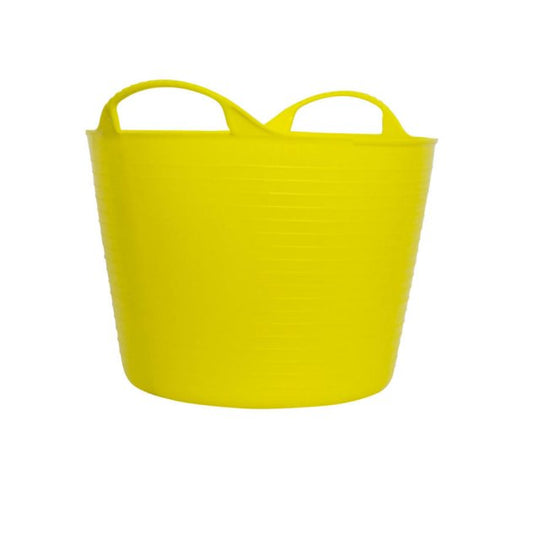
14 Litre Flexible Tub
£5.99EX VAT · £7.19 INCView product
15 Litre Flexible Tub
£7.95EX VAT · £9.54 INCView product
26 Litre Tub
£9.64EX VAT · £11.57 INCView product
Gorilla Plas Mini Tub - Various Colours
£9.97EX VAT · £11.96 INCView product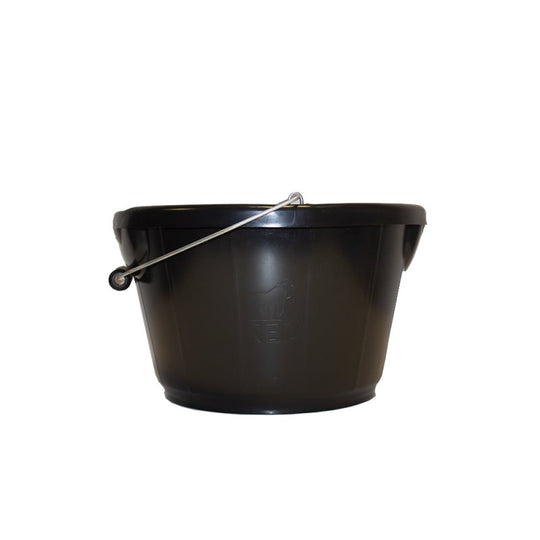
Gorilla Plas Shallow Bucket 10L
£10.30EX VAT · £12.36 INCView product
38 Litre Flexible Tub
£11.43EX VAT · £13.72 INCView product
22 Litre Tuff Bucket, Yellow
£12.33EX VAT · £14.80 INCView product
65 Litre Rectangular Tub
£15.65EX VAT · £18.78 INCView product
65 Litre Tub
£19.00EX VAT · £22.80 INCView product
90 Litre Multi-Tub, Medium, Round
£19.70EX VAT · £23.64 INCView product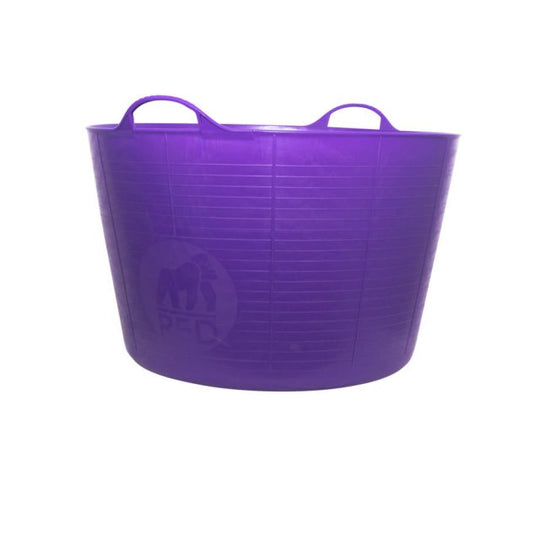
75 Litre Extra Large Flexible Tub
£24.65EX VAT · £29.58 INCView product
JFC Corner Gate Feed Trough
£37.00EX VAT · £44.40 INCView product


Talk to a
specialist
Sizing, regulations, installation. Our team has been answering these questions for over 25 years.
Feeders FAQs
What's the difference between GRP and polyethylene feed bins?
GRP (fibreglass) feed bins are rigid, UV-stable and tend to be the choice for larger capacities, as the material holds its shape well under load without flexing. Polyethylene feeders are lighter, generally cheaper for smaller sizes, and just as weatherproof, but can be less rigid in very large formats. Both are rot-proof, non-corroding and suitable for long-term outdoor use.
How do I work out what size feeder I need?
Feed bins are sized by capacity, usually quoted in tonnes or cubic metres, so start by calculating your daily/weekly feed usage and how often you want deliveries to top up rather than run empty. Most farms size up rather than down, since running close to empty risks feed bridging in the cone and increases delivery frequency. Bear in mind bulk feed is lighter than it looks — a full bin's weight needs a base that can take it.
Do feed bins need a special base or foundation?
Yes — a level, compacted concrete or hardstanding base is essential, sized to the bin's footprint and rated for the full loaded weight, not just the empty bin. Most feeders bolt down to resist wind uplift when empty, so anchor points need to be cast into the base or fitted to ground anchors at installation. Uneven or soft ground will stress the bin structure and can jam the discharge cone.
Are feed bins vermin and weatherproof?
Quality GRP and polyethylene feed bins are sealed units with close-fitting lids, so rodents and birds can't get in to contaminate or spoil stored feed. The smooth internal surfaces don't hold moisture, which helps prevent mould and caking, and UV-stabilised materials stop the bin degrading in sunlight over years of outdoor use. Discharge outlets should still be checked periodically, as damp feed can bridge and block the cone regardless of the tank material.
Can feed bins be filled by bulk tanker or auger delivery?
Most feeders are designed with a top fill point sized for blown or augered bulk feed delivery, so check the inlet diameter and height against your supplier's delivery vehicle before ordering. Access height matters too — make sure there's clearance for the delivery tanker's discharge pipe to reach the fill point. The discharge cone at the base should match your feeding system, whether that's a manual chute, auger run or gravity spout.
What delivery and access arrangements should I plan for a large feeder?
Large feed bins are bulky items delivered on flatbed or crane-offload vehicles, so you'll need a clear, firm access route and enough space for the delivery vehicle to manoeuvre and unload safely. Confirm ground conditions and any overhead obstructions (power lines, low branches) before delivery day, as repositioning a large bin on site afterwards is difficult. It's worth having the base fully cured and ready so the bin can be sited and secured on arrival rather than left standing.