ColdWater Loft Tanks
Byelaw-compliant loft cisterns.

Cold Water Loft Tanks Sub-Categories

25 Gallon / 114 Litre Open Top Circular Cold Water Loft Tank
£90.12EX VAT · £108.14 INCView product
15 Gallon / 68 Litre Cold Water Loft Tank
£136.00EX VAT · £163.20 INCView product
18 Gallon / 82 Litre Cold Water Loft Tank
£136.00EX VAT · £163.20 INCView product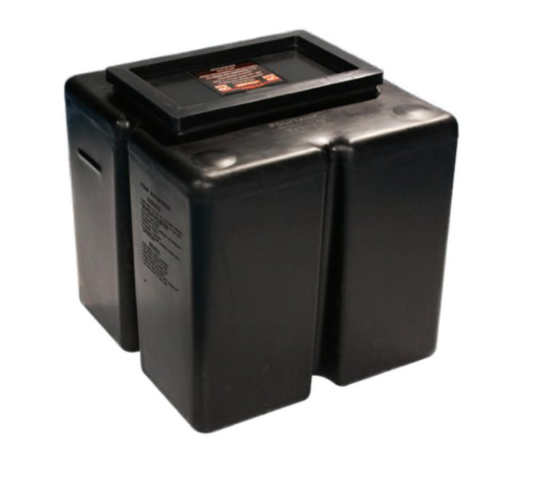
15 Gallon / 68 Litre Cold Water Loft Tank 181818
£136.00EX VAT · £163.20 INCView product
25 Gallon / 114 Litre Circular Cold Water Tank
POAPrice on applicationView product
30 Gallon / 136 Litre Cold Water Loft Tank
£207.00EX VAT · £248.40 INCView product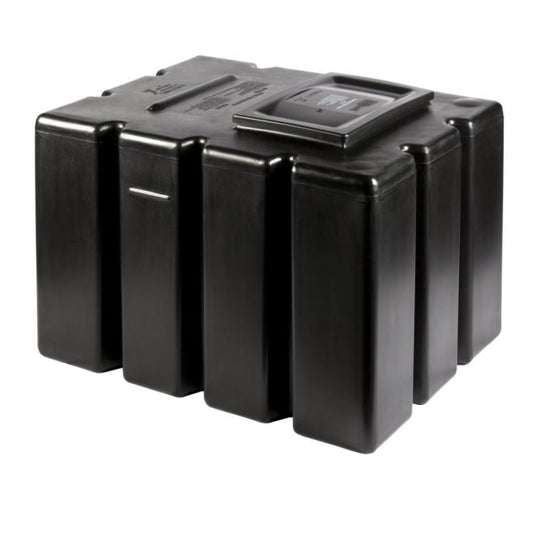
35 Gallon / 159 Litre Cold Water Loft Tank
£207.00EX VAT · £248.40 INCView product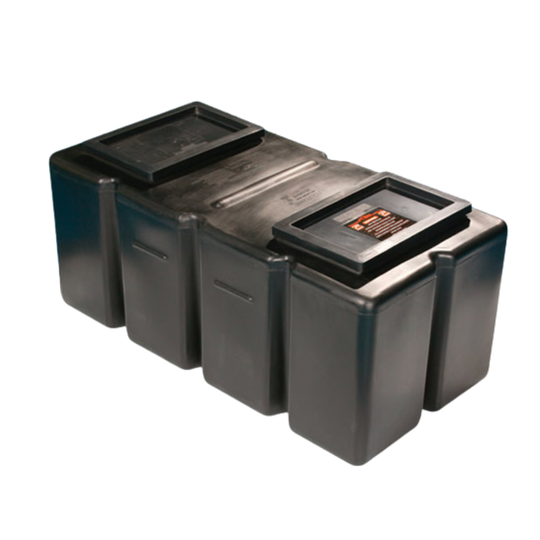
30 Gallon / 136 Litre Cold Water Loft Tank (rectangular)
£207.00EX VAT · £248.40 INCView product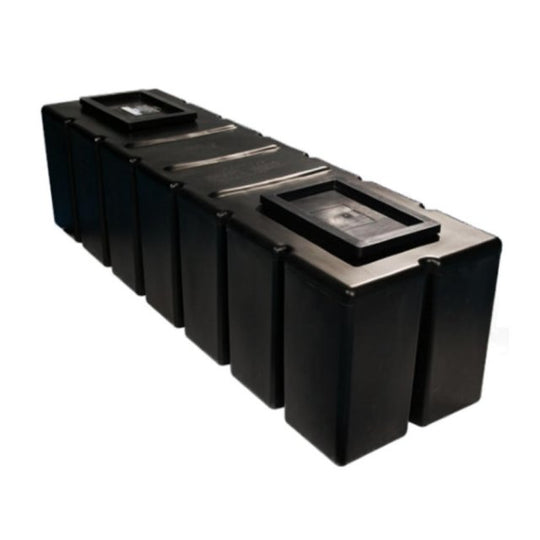
50 Gallon / 227 Litre Cold Water Loft Tank
£218.00EX VAT · £261.60 INCView product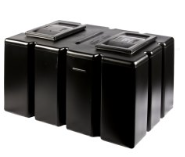
50 Gallon / 227 Litre Cold Water Loft Tank
£218.00EX VAT · £261.60 INCView product
50 Gallon / 227 Litre Framed Cold Water Loft Tank
£389.00EX VAT · £466.80 INCView product
100 Gallon / 454 Litre Cold Water Tank
£420.00EX VAT · £504.00 INCView product


Talk to a
specialist
Sizing, regulations, installation. Our team has been answering these questions for over 25 years.
Situated in your home's loft or attic space, these cold-water storage tanks (also known as loft header tanks or feed and expansion tanks) play a pivotal role in maintaining a steady supply of cold water to your taps, appliances, and heating systems. Placed at an elevated position within your property, cold water tanks use gravity to create a natural flow, eliminating the need for additional pumps. This not only contributes to energy efficiency but also reduces the overall operational costs of your water system. Ideal for new builds or for replacing, maintaining, or improving existing facilities, the simplicity of the design means fewer components that could malfunction, translating to lower maintenance requirements and peace of mind.
Crafted from durable materials such as polyethylene or GRP (glass-reinforced plastic), our tanks are designed to withstand the demands of continuous water storage and are available in various sizes and cistern types such as low-level tanks, open-top, and enclosed cold-water tanks.
Whether you require a compact tank for a smaller residence or a larger one for a bustling household, the range of options ensures a tailored fit for your unique circumstances. As a homeowner, investing in a cold-water loft tank means embracing a reliable and self-sufficient water storage solution that provides consistent performance and supports a more sustainable lifestyle.
All Polytanks and Titan Tanks are manufactured within ISO 9001:2000 approved factories under controlled conditions and tested to meet exacting standards. All tanks are manufactured to BS4213:2004.
Cold Water Loft Tanks FAQs
How long do cold water storage tanks last?
Typically, well-maintained cold water storage tanks crafted from durable materials like polyethylene or glass-reinforced plastic (GRP) can last anywhere from 20 to 30 years. The high-quality construction of the tanks sold at Tanks Direct contributes significantly to their longevity, with resistance to corrosion and wear-and-tear ensuring reliable performance over an extended period.
Your proactive involvement in regular maintenance plays a crucial role in determining the lifespan of the tank. Timely inspections for signs of damage, leaks, or structural issues can significantly prolong the tank's functionality. Regularly checking fittings, valves, and the integrity of the tank structure is essential to catch and address potential issues before they escalate.
Exposure to extreme temperatures, UV radiation, or harsh chemicals can accelerate wear. Proper installation and placement in a sheltered, well-ventilated area contribute to the tank's overall resilience.
How do I know the size of the cold-water storage tank that I need?
Determining the appropriate size for your loft cold water storage tank is a critical step in ensuring an efficient and reliable water supply for your household. Start by assessing your daily water usage patterns. Consider the number of occupants in your home and their typical water-related activities, such as bathing, cooking, and laundry. This initial evaluation will provide a baseline for understanding your overall water demand.
Next, consider any specific requirements, such as the use of water for garden irrigation or other outdoor purposes. This comprehensive understanding of your water needs will guide you in selecting a tank size that accommodates both your current usage and potential future requirements.
Finally, it's crucial to be aware of the available loft space for tank installation. Measure the dimensions of your loft to ensure that the chosen tank fits comfortably within the designated area. Additionally, consider the tank's height, as it will affect the gravity-fed water pressure. Adequate water pressure ensures a consistent flow to your taps and appliances.
Do I need to insulate my cold-water storage tanks?
Insulating your cold-water storage tank is a wise decision with several benefits. The primary reason to insulate is to prevent heat loss from the water inside the tank. During colder seasons, uninsulated tanks can experience a drop in temperature, potentially leading to issues like freezing. Insulating your cold-water storage tank helps to maintain a more stable water temperature, reducing the risk of freezing and ensuring a reliable water supply.
By minimising heat loss, you can reduce the energy required to heat the water, which is particularly important if you have a water heating system connected to the tank. This energy-saving aspect not only promotes sustainability but also reflects positively on your utility bills, providing a cost-effective solution in the long run. Regulations often recommend or mandate specific insulation measures to enhance energy efficiency and prevent common issues associated with cold water storage. Ensuring your tank meets these regulations not only keeps you in compliance but also guarantees that your water system operates efficiently and safely.