SechoBlowers
Efficient plant aeration.

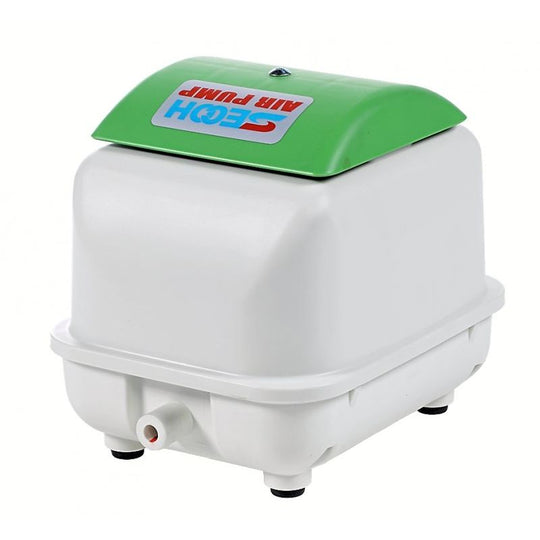
SECOH JDK-S-40 SINGLE SERIES BLOWER
Sale price£100.00Regular price£104.00EX VAT · £120.00 INCView product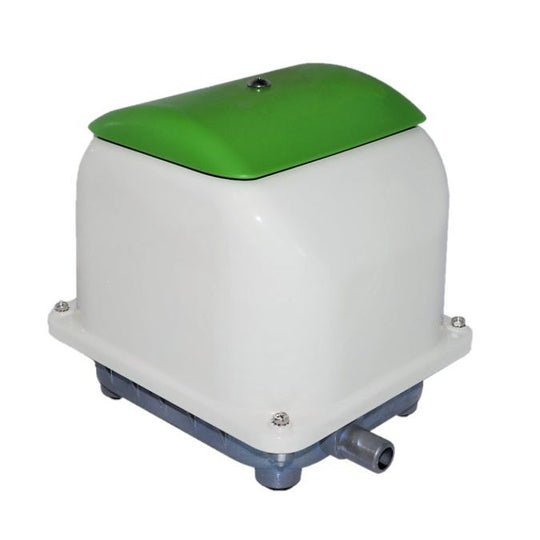
SECOH JDK-S-60 Single Series Blower
Sale price£130.00Regular price£135.20EX VAT · £156.00 INCView product
SECOH JDK-60C SINGLE SERIES BLOWER
Sale price£140.00Regular price£145.60EX VAT · £168.00 INCView product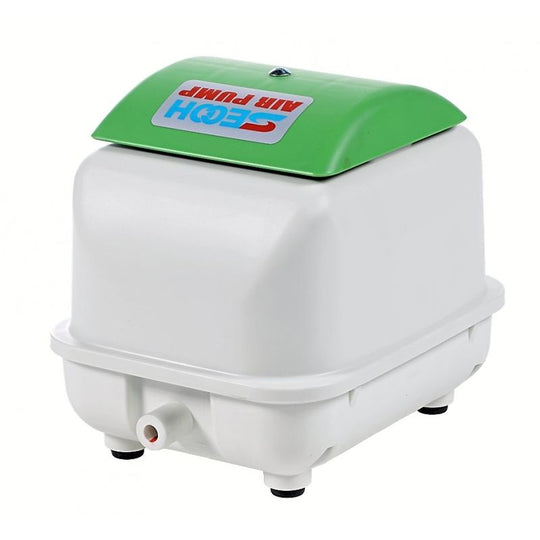
SECOH JDK-S-80 Single Series Blower
Sale price£155.00Regular price£161.20EX VAT · £186.00 INCView product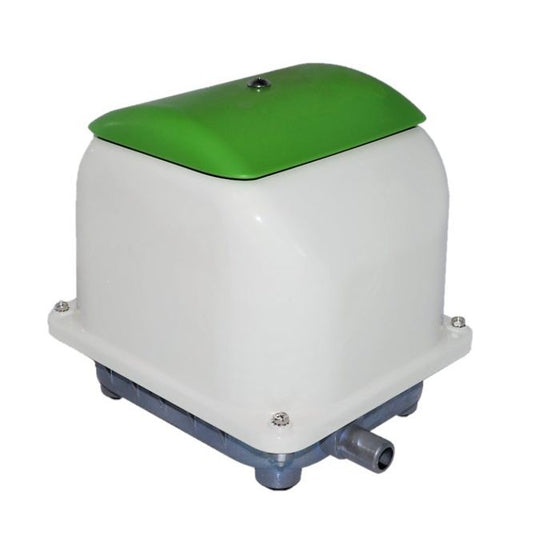
SECOH JDK-S-100 Single Series Blower
Sale price£200.00Regular price£208.00EX VAT · £240.00 INCView product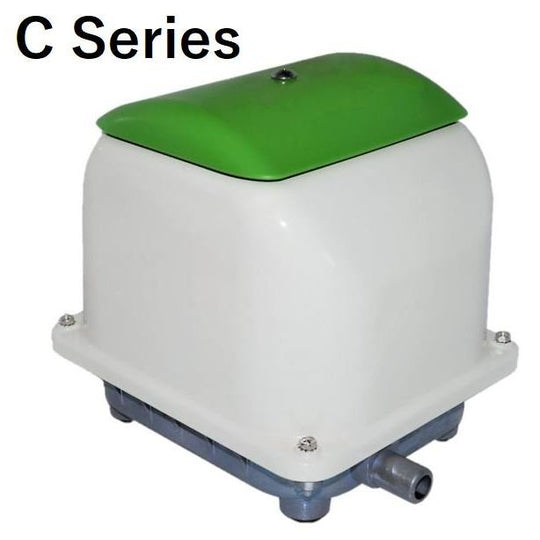
SECOH JDK-100C SINGLE SERIES BLOWER
Sale price£210.00Regular price£218.00EX VAT · £252.00 INCView product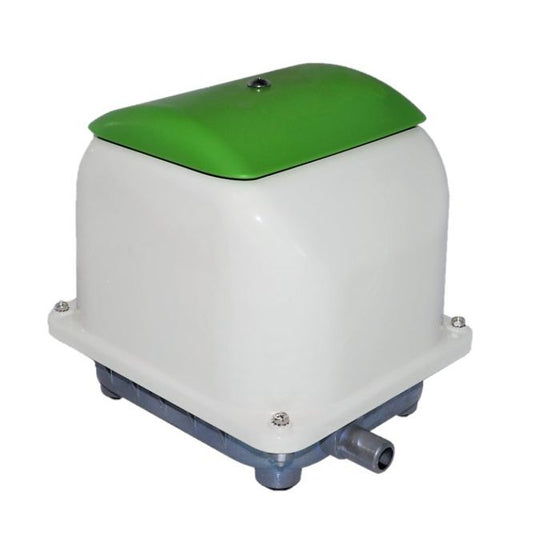
SECOH JDK-S-120 Single Series Blower
Sale price£235.00Regular price£244.40EX VAT · £282.00 INCView product
SECOH JDK-S-150 Single Series Blower
Sale price£300.00Regular price£312.00EX VAT · £360.00 INCView product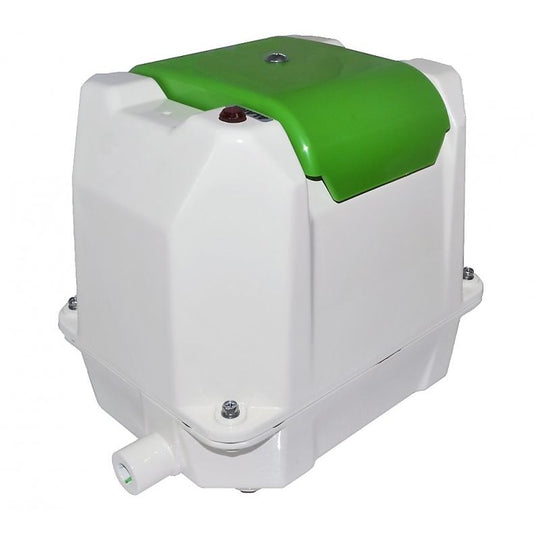
SECOH JDK-S-200 Single Series Blower (EL-200)
Sale price£335.00Regular price£348.40EX VAT · £402.00 INCView product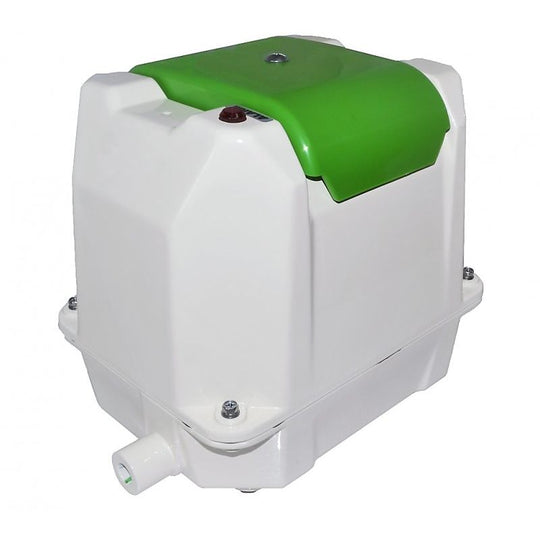
SECOH JDK-S-250 Single Series Blower (EL-250)
Sale price£380.00Regular price£395.20EX VAT · £456.00 INCView product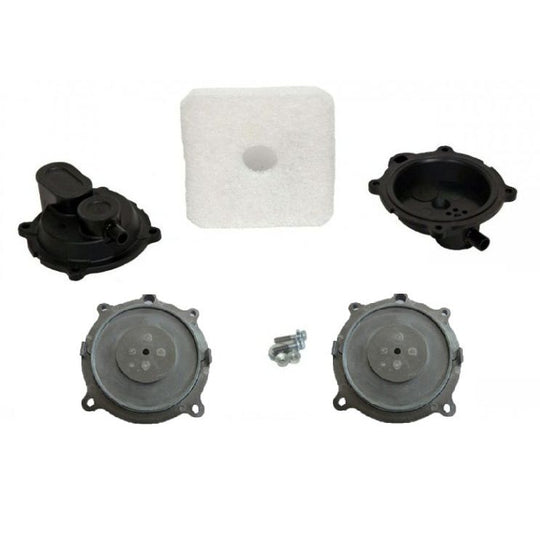
SECOH JDK 40-50 SERVICE KIT
£49.09EX VAT · £58.91 INCView product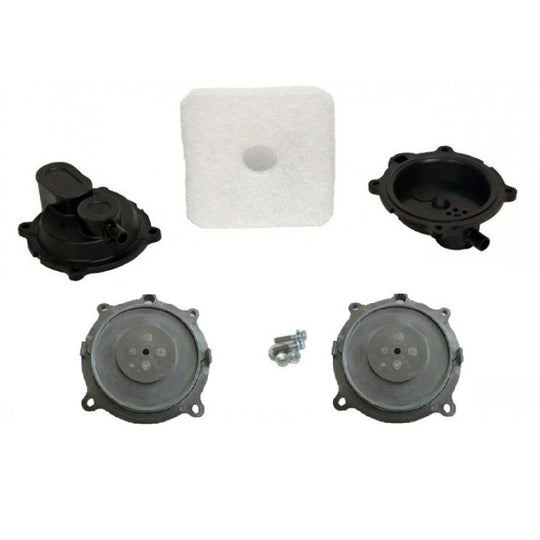
SECOH JDK 60-80 SERVICE KIT
£72.00EX VAT · £86.40 INCView product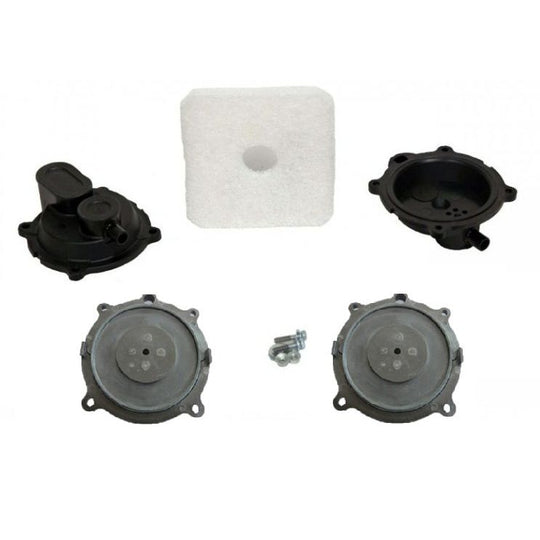
SECOH JDK 100-120 SERVICE KIT
£72.00EX VAT · £86.40 INCView product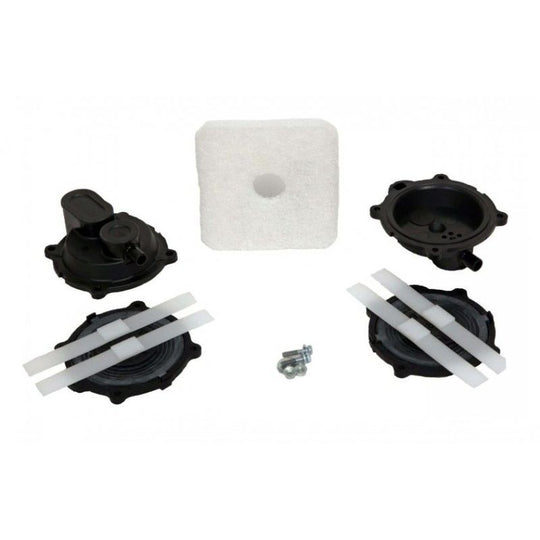
SECOH JDK 150/200/250/300/400/500 SERVICE KIT
£66.00EX VAT · £79.20 INCView product
DIAPHRAGM KIT FOR SECOH JDK 60 - 120
£24.96EX VAT · £29.95 INCView product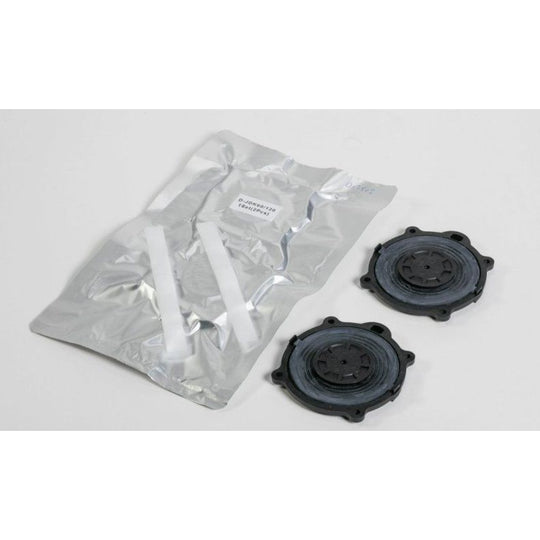
Diaphragm Set EL120 or EL250
£49.13EX VAT · £58.96 INCView product


Talk to a
specialist
Sizing, regulations, installation. Our team has been answering these questions for over 25 years.
Secho Blowers FAQs
What does a Secho blower actually do?
A Secho blower supplies the air needed to aerate the biozone in a sewage treatment plant, keeping the bacteria that break down waste alive and working efficiently. Without adequate aeration the treatment process stalls, leading to poor effluent quality and odour problems. Most domestic and small commercial plants run the blower continuously or on a timed cycle set by the manufacturer.
How do I know which Secho blower model fits my treatment plant?
Blower sizing depends on the make, model and population size of your treatment plant, as air flow rate (litres per minute) and pressure requirements vary between systems. Check the data plate on your existing blower or plant manual for the correct spec before ordering a replacement. If you're unsure, get in touch with our team with your plant details and we'll help confirm the right match.
Can I replace a faulty blower myself?
Yes — on most systems the blower sits outside the tank in a housing or kiosk and connects via a simple air hose, so swapping like-for-like is straightforward for a competent DIYer or handyman. Always isolate the electrical supply before disconnecting the old unit, and check the new blower's air outlet size and voltage match. If your plant is under warranty, check whether replacement parts need fitting by an approved engineer to keep that warranty valid.
How noisy are these blowers, and where should they be sited?
Modern Secho blowers are designed to run quietly, typically producing a low, steady hum rather than a disruptive noise, though this varies by model and age. They should be sited somewhere sheltered, dry, well-ventilated and protected from frost, usually in the blower housing supplied with the treatment plant. Avoid boxing them in too tightly, as they need airflow around the unit to prevent overheating.
How long do Secho blowers typically last, and what maintenance do they need?
With regular use, a well-maintained blower will usually run for several years before the diaphragm or internal components wear out and need replacing. Manufacturers generally recommend an annual service check, including inspecting or replacing the air filter, to keep the unit running efficiently. Signs it's failing include a change in noise, reduced air output, or the plant starting to smell.
What's the typical delivery lead time if my blower fails and I need one urgently?
We keep popular Secho blower models in stock for fast dispatch, as we know a failed blower can quickly cause a treatment plant to back up or smell. Give us a call to check current stock on your specific model and we'll advise the quickest delivery option available. In the meantime, most plants can tolerate a short outage of a day or two without major issues, provided usage is kept low.