GRPFire Water Tanks
Corrosion-proof fire reserve.

GRP Fire Water Tanks Sub-Categories

90 Litre Type AB Air Gap GRP Fire Water Tank, Insulated
£437.00EX VAT · £524.40 INCView product
125 Litre Type AB Air Gap GRP Fire Water Tank, Insulated
£445.00EX VAT · £534.00 INCView product
160 Litre Type AB Air Gap GRP Fire Water Tank, Insulated
£477.00EX VAT · £572.40 INCView product
187 Litre Type AB Air Gap GRP Fire Water Tank, Insulated
£498.00EX VAT · £597.60 INCView product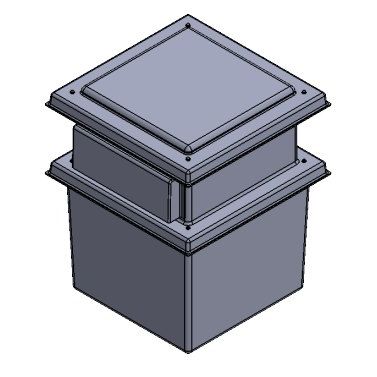
225 Litre Type AB Air Gap GRP Fire Water Tank - One Piece Insulated, Cat 5
£523.00EX VAT · £627.60 INCView product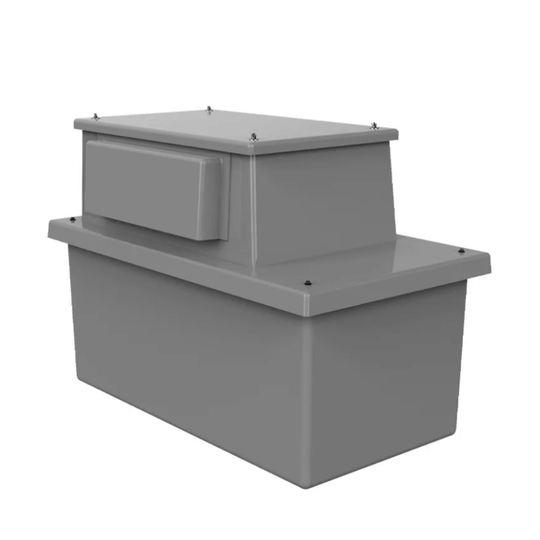
250 Litre Type AB Air Gap GRP Fire Water Tank, Insulated, Cat 5
£567.00EX VAT · £680.40 INCView product
340 Litre Type AB Air Gap GRP Fire Fighting Water Tank - One Piece Insulated, Cat 5
£609.00EX VAT · £730.80 INCView product
251 Litre Type AB Air Gap GRP Fire Water Tank, Insulated, Cat 5
£657.00EX VAT · £788.40 INCView product
570 Litres Type AB Air Gap GRP Fire Water Tank - One Piece Insulated, Cat 5
£737.00EX VAT · £884.40 INCView product
338 Litre Type AB Air Gap GRP Fire Water Tank - One Piece Insulated, Cat 5
£754.00EX VAT · £904.80 INCView product
454 Litre Type AB Air Gap GRP Fire Water Tank, Insulated, Cat 5
£763.00EX VAT · £915.60 INCView product
90 Litre Type AB Air Gap GRP Fire Water Tank - Two Piece Insulated, Cat 5
£787.00EX VAT · £944.40 INCView product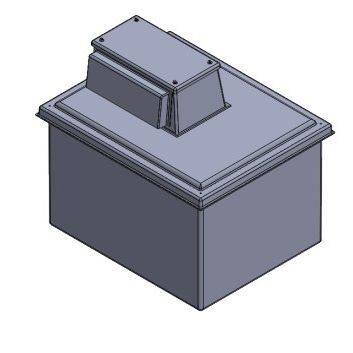
712 Litre Type AB Air Gap GRP Fire Water Tank - One Piece Insulated, Cat 5
£793.00EX VAT · £951.60 INCView product
680 Litre Type AB Air Gap GRP Fire Water Tank - One Piece Insulated, Cat 5, WRAS
£794.00EX VAT · £952.80 INCView product
125 Litre Type AB Air Gap GRP Fire Water Tank - Two Piece Insulated, Cat 5
£799.00EX VAT · £958.80 INCView product
375 Litre Type AB Air Gap GRP Fire Water Tank - One Piece Insulated, Cat 5
£805.00EX VAT · £966.00 INCView product


Talk to a
specialist
Sizing, regulations, installation. Our team has been answering these questions for over 25 years.
Our Glass Reinforced Plastic (GRP) firefighting water tanks provide a premium solution for both domestic and commercial use. These tanks are incredibly strong and durable, thanks to their composite construction. The GRP material is resistant to corrosion, cracking, and UV rays, making them ideal for long-term use outdoors. GRP tanks are also relatively lightweight and easy to install, compared to traditional steel tanks. This makes them a versatile option for a variety of locations. They're available in a wide range of sizes, so you can find the perfect tank to meet your specific water storage requirements.
For those looking for an integrated system, our GRP fire combination units combine tank and pump in one unit, enhancing efficiency. Or if your location requires protection against freezing, consider our insulated GRP fire water tanks, which maintain water temperature in colder climates. In addition to their strength and durability, GRP tanks offer several other benefits. They're low maintenance and easy to clean, and come with a smooth, gel-coated finish that's both attractive and easy to keep clean.
GRP Fire Water Tanks FAQs
How do I know what size fire water tank I need?
Capacity is normally dictated by your fire risk assessment, insurer's requirements, or the local fire authority — not guesswork. Many commercial sites work to a minimum of 45,000 litres for sprinkler backup, but sizing depends on hazard category, building size and hydrant availability. We'd always recommend confirming the required volume with your fire engineer or insurer before ordering.
Can GRP fire water tanks be installed underground?
Yes, many GRP fire water tanks are designed for underground installation, which keeps them out of sight and frees up surface land. They need to be rated for burial and installed on a suitable prepared base, usually with backfill instructions followed closely to avoid distortion of the tank walls. Above-ground installation is also an option where excavation isn't practical or ground conditions are poor.
What groundworks or base do I need before installation?
GRP tanks need a level, well-compacted base — typically a concrete slab or compacted granular bed sized to the tank's footprint — to spread the load evenly and prevent settlement. For underground tanks, correct backfilling with the specified material is just as important as the base itself, as uneven pressure can distort the shell. Ground conditions vary site to site, so it's worth getting a groundworker to check suitability before delivery.
What's the advantage of a GRP fire combination unit over a separate tank and pump?
A combination unit houses the tank and fire pump set together as one factory-built package, which simplifies installation and reduces on-site pipework and commissioning time. It's a practical choice where space is tight or where you want a tested, pre-engineered system rather than specifying tank and pump separately. This can also make it easier to demonstrate compliance, as the unit is designed as a complete system from the outset.
Do I need an insulated GRP fire water tank?
If the tank is above ground, exposed, or sited somewhere prone to hard frosts, insulation is worth considering to stop the stored water freezing and becoming unavailable in an emergency. Insulated GRP fire water tanks use an insulated skin or lining to maintain water temperature through winter without the bulk of external lagging. Underground tanks benefit from natural ground insulation, so this is less of a concern below ground, though depth of cover still matters in very cold regions.
How much maintenance does a GRP fire water tank need?
GRP tanks are low maintenance by design — the gel-coated finish resists algae build-up and is easy to wipe down or hose out during routine checks. Periodic inspection of fittings, access hatches, level indicators and any pump connections is still sensible to keep the system fire-ready. As the water is held in reserve rather than in constant use, most sites include the tank in scheduled fire system testing rather than treating it separately.