Cesspools
Sealed collection, no discharge.

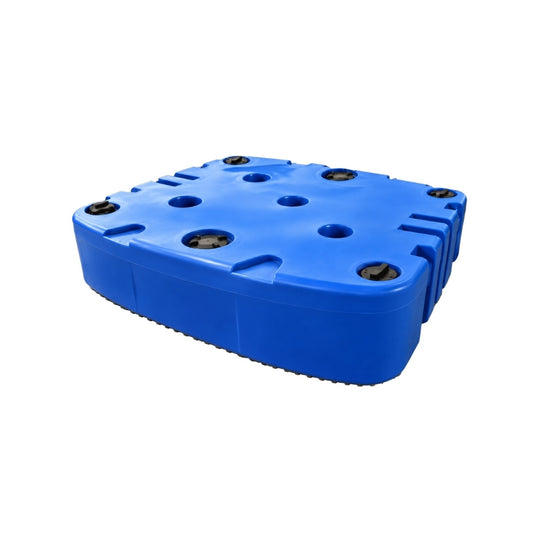
2250 Litre Above Ground Effluent Tank
£1,100.00EX VAT · £1,320.00 INCView product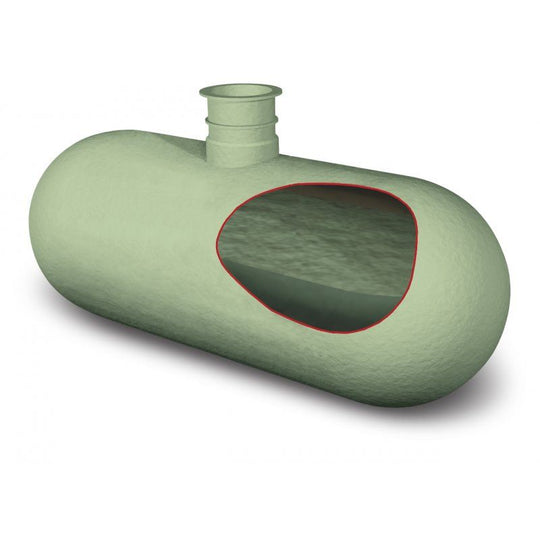
Clearwater 2,800 Litre Shallow Dig Cesspool
£1,272.00EX VAT · £1,526.40 INCView product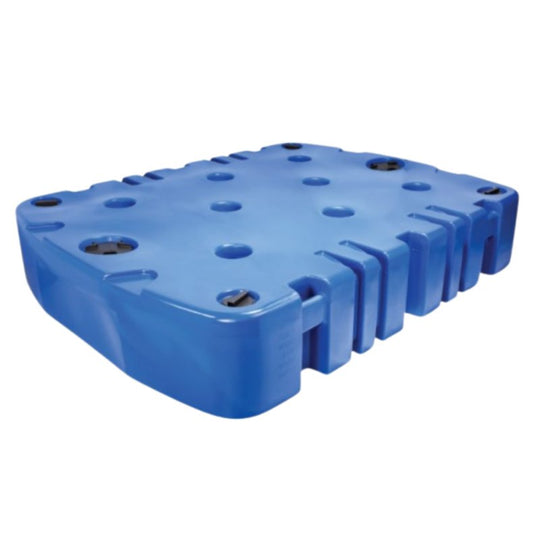
2650 Litre Above Ground Effluent Tank
Sale price£1,300.00Regular price£1,398.00EX VAT · £1,560.00 INCView product
Clearwater 3,800 Litre Shallow Dig Cesspool
£1,523.00EX VAT · £1,827.60 INCView product
2,500 Litre Cabin Waste Water/ Effluent tank
£1,550.00EX VAT · £1,860.00 INCView product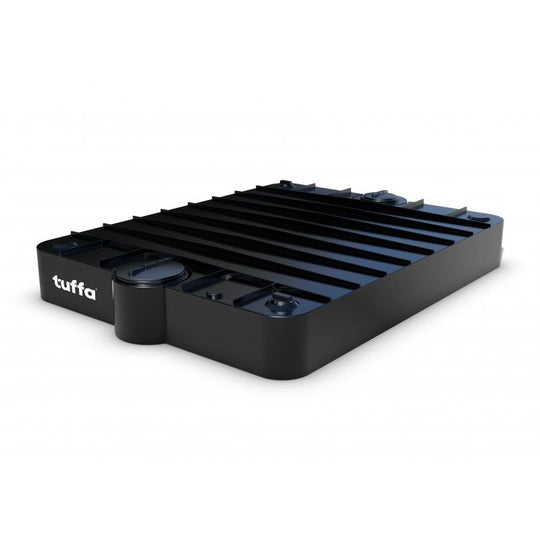
2300L Above Ground Cabin Effluent Tank
£1,664.00EX VAT · £1,996.80 INCView product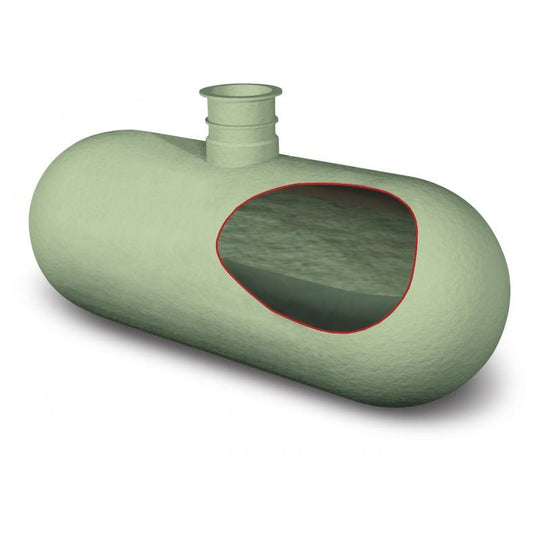
Clearwater 4,800 Litre Shallow Dig Cesspool
£1,768.00EX VAT · £2,121.60 INCView product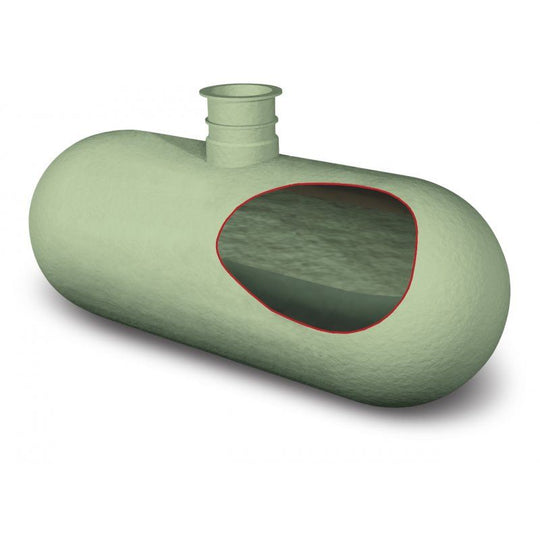
Clearwater 5,700 Litre Shallow Dig Cesspool
£1,918.00EX VAT · £2,301.60 INCView product
Clearwater 7,150 Litre Shallow Dig Cesspool
£2,356.00EX VAT · £2,827.20 INCView product
Clearwater 9,150 Litre Shallow Dig Cesspool
£2,681.00EX VAT · £3,217.20 INCView product
Klargester 18,000 Litre Cesspool Tank
£5,971.00EX VAT · £7,165.20 INCView product


Talk to a
specialist
Sizing, regulations, installation. Our team has been answering these questions for over 25 years.
We supply high-quality Klargester and Clearwater cesspools ranging from 18,000 litres to over 80,000 litres, designed for areas without mains drainage or where ground conditions make treatment unsuitable. Our cesspools serve as reliable holding tanks for untreated sewage, offering a practical alternative to septic tanks. Unlike septic systems, cesspools simply store waste until regular tanker collection, making them ideal for temporary installations or permanent fixtures where large storage capacity is essential. These tanks prove particularly valuable for campsites handling chemical toilet waste, where traditional treatment processes wouldn't be effective. Built to withstand regular emptying cycles, our cesspools deliver dependable performance in rural properties, construction sites, and commercial applications where conventional drainage isn't viable. Each unit provides secure, leak-proof storage that meets environmental standards while offering excellent capacity for your specific requirements. Our range ensures you'll find the right size for any project, from smaller domestic needs to large-scale commercial installations.
Cesspools FAQs
What is a cesspool?
A cesspool, also known as a cesspit, is an underground tank that collects wastewater and sewage. There is no outlet to disperse the waste or facility to treat it €” it simply stores wastewater and sewage until it is collected by a tanker and taken away for disposal. They typically have a manhole for access and the only piping is to release gasses which accumulate in the tank. The contents of your cesspool must be removed regularly. How often will depend on the size of your tank and how much wastewater you are producing, but typically you will want your cesspool emptied by a licensed waste handler every month.
You may need a cesspool if your property is not connected to a public sewer network or for holiday homes, camp sites and places where the discharge of effluent into the ground is not possible due to unsuitable soil conditions. You do not need a permit to install a cesspool unless the Environment Agency tells you that you do and they do not have to comply with the general binding rules that apply to septic tanks. However, you will need planning permission and building regulations approval to install your cesspool.
What is the difference between a cesspool and a septic tank?
A septic tank is buried underground, just like a cesspool. Unlike a septic tank however, a cesspool does not process or treat wastewater and sewage €” it simply stores it. Septic tank systems treat the wastewater, treating the liquid wastewater so that it can drain away into a stream or soakaway. The system is simple but effective €” wastewater enters a chamber where solids can settle and decompose at the bottom. The liquid at the top flows into a second chamber where any finer remaining solids are removed from the liquid and through to the soakaway. Solid waste from septic tanks will occasionally need collecting by a licensed disposal specialist, in much the same way as a cesspool, but much less often. That's why having a cesspool can become quite costly long-term as waste disposal services don't come cheap. Cesspools are also a less eco-friendly choice as untreated effluent could overflow into the surrounding environment. Septic tanks are safer as the wastewater is treated.
When would I need a cesspool?
Cesspools are usually used as a last resort or for temporary drainage situations. You may need a cesspool if your property isn't connected to the public sewer network and where discharging effluent into the ground is not possible, such as holiday homes and camp sites. Cesspools do not have to comply with general binding rules that apply to septic tanks and you won't need a permit to install one unless the Environment Agency tells you otherwise. It is important, however, to obtain planning permission and building regulations approval to install your cesspool.
For septic tanks, the recent changes in regulations state that they can no longer discharge into surface water, for example streams, rivers, ditches, drains etc. and if yours does you should replace it immediately with a full sewage treatment plant under Environment Agency Septic Tank General Binding Rules. As of 1st January 2020, all septic tanks that discharge into waterways must be either replaced, using sewage treatment plants with full BS EN 12566-3 documentation, the discharge to the waterway impeded and redirected to a drain field, designed and made according to the up-to-date British Standard BS6297 2007.