LargeSilage Tanks
High-volume effluent storage.


Klargester 10,000 Litre Silage Tank
£4,531.00EX VAT · £5,437.20 INCView product
Clearwater 15,000 Litre Silage Tank
£4,615.00EX VAT · £5,538.00 INCView product
Klargester 12,000 Litre Silage Tank
£4,682.00EX VAT · £5,618.40 INCView product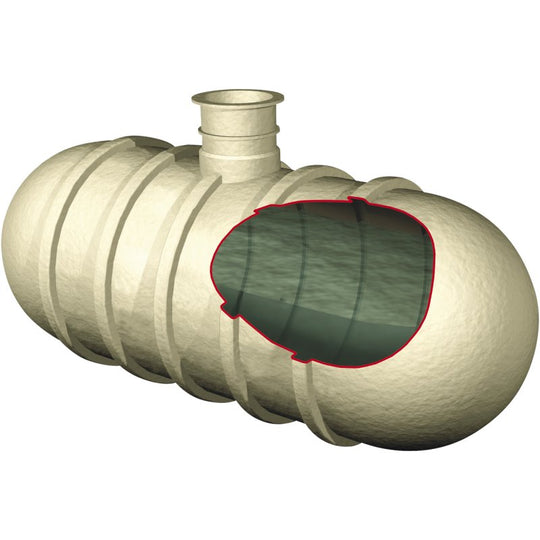
Klargester 12,000 Litre Silage Tank
£4,746.00EX VAT · £5,695.20 INCView product
Klargester 15,000 Litre Silage Tank
£4,962.00EX VAT · £5,954.40 INCView product


Talk to a
specialist
Sizing, regulations, installation. Our team has been answering these questions for over 25 years.
Our large silage tanks serve substantial farming operations that require serious waste storage capacity, with sizes available up to 79,000 litres to handle even the most demanding agricultural needs. These below-ground units use the same proven Glass Reinforced Plastic (GRP) construction with specialist liners that makes them ideal for long-term veterinary and animal waste storage in challenging farm environments. The larger capacity means fewer pump-outs and more efficient waste management for your operation, helping you maintain excellent hygiene standards while reducing operational disruption. These tanks can withstand the rigours of heavy-duty agricultural use, ensuring reliable performance year after year. If you're running a smaller operation, our small silage tanks might be more suitable. Should you need a specific size that isn't listed, simply contact us directly.
Large Silage Tanks FAQs
How do I work out what size silage tank I need?
Capacity depends on your silage tonnage, clamp size, effluent production rates and how often you're prepared to arrange pump-outs. As a rough guide, more silage stored and wetter forage means higher effluent volumes, so it's worth calculating against your specific clamp dimensions rather than guessing. If you're unsure, we can help you work through the sums, and if none of our standard sizes up to 79,000 litres fit, we can look at a bespoke option.
What's involved in installing a large below-ground silage tank?
You'll need a suitably sized excavation, a stable, level base (typically a concrete slab or bed appropriate to the tank size and ground conditions), and careful backfilling to avoid distorting the GRP shell. Groundwater level and soil type both affect installation method, so a site assessment beforehand is strongly recommended. Given the weight and size of these units, you'll also need appropriate lifting equipment on site for the day of delivery.
Do large silage tanks need to meet SSAFO regulations?
Yes — silage effluent storage on most farms falls under the Silage, Slurry and Agricultural Fuel Oil (SSAFO) Regulations, which set minimum requirements for capacity, construction and structural integrity. Our GRP tanks are built to withstand the corrosive, high-strength nature of silage effluent, but it remains your responsibility to ensure the installed system meets the specific SSAFO requirements for your holding. Your local authority or environment agency can advise on any additional site-specific conditions.
How often will a large silage tank need emptying?
This depends on your effluent production rate and the tank capacity you've chosen, but the main benefit of going larger is spacing out pump-outs and reducing disruption during busy silaging periods. Many farms running substantial operations find a tank in the higher capacity range means significantly fewer call-outs across the season compared with smaller units. Monitoring levels regularly, especially after wet forage is ensiled, will help you plan pump-outs before capacity becomes an issue.
What's the difference between a silage effluent tank and a general slurry tank?
Silage effluent is highly acidic and far more aggressive than slurry, so tanks used for it need liners and construction specifically suited to resisting that corrosivity over the long term. Our large silage tanks use specialist GRP liners for exactly this purpose, rather than being generic waste storage. Using the wrong type of tank for effluent can lead to premature liner degradation, so it's worth confirming what you're storing before choosing a tank.
How are these large tanks delivered and positioned on site?
Given their size and weight, large silage tanks are typically delivered on a flatbed or specialist vehicle and lifted into the prepared excavation using a crane or suitable lifting equipment arranged for the day. Good site access is essential, so it's worth checking gate widths, ground conditions and turning space for a large vehicle well in advance. Our team can talk through delivery logistics with you before the order is confirmed to help avoid any surprises on the day.