GRPUnderground Water Tanks
Buried GRP water storage.


Tanks Direct 46,000 Litre Water Holding Tank
£7,500.00EX VAT · £9,000.00 INCView product
Tanks Direct 22,000 Litre Water Holding Tank
£4,620.00EX VAT · £5,544.00 INCView product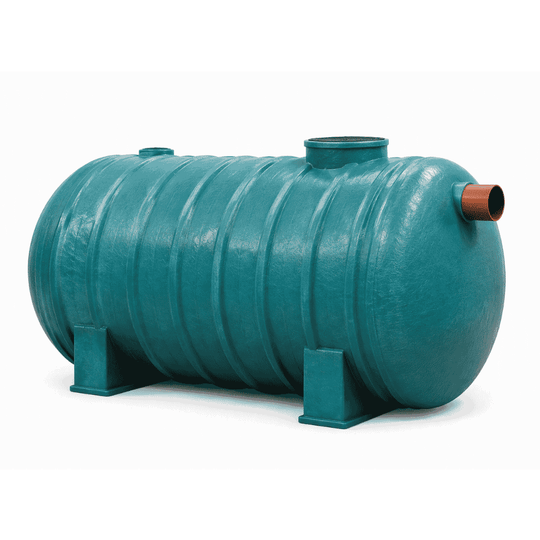
9000 Litre Underground Water Tank
POAPrice on applicationView product
Tanks Direct 79,000 Litre Water Holding Tank
£12,500.00EX VAT · £15,000.00 INCView product
Tanks Direct 34,000 Litre Water Holding Tank
£6,300.00EX VAT · £7,560.00 INCView product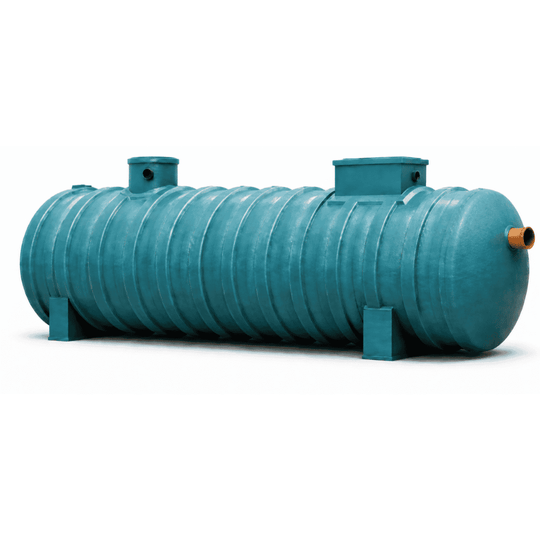
60,000 Litre Underground Water Tank
POAPrice on applicationView product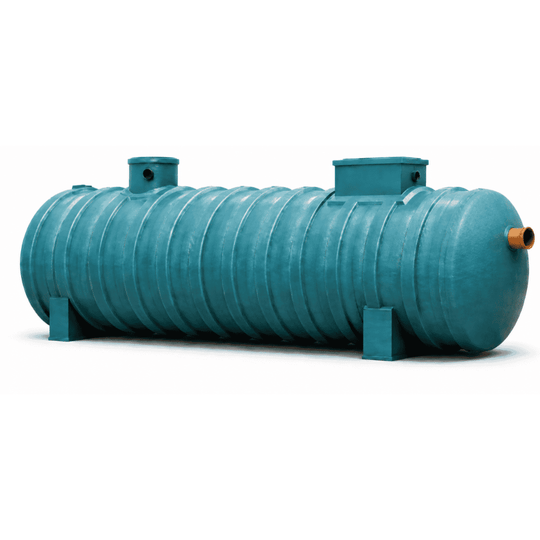
27,000 Litre Underground Water Tank
POAPrice on applicationView product50,000 Litre Underground Water Tank
POAPrice on applicationView product90,000 Litre Underground Water Tank
POAPrice on applicationView product70,000 Litre Underground Water Tank
POAPrice on applicationView product55,000 Litre Underground Water Tank
POAPrice on applicationView product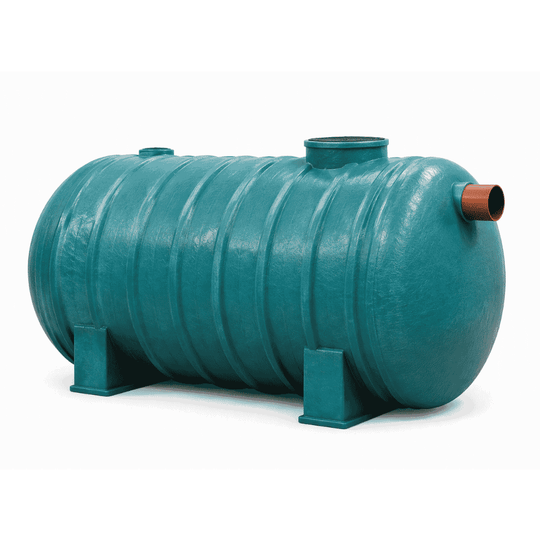
8000 Litre GRP Underground Water Tank
POAPrice on applicationView product18,000 Litre Large Diameter Underground GRP Water Tank
POAPrice on applicationView product25,000 Litre GRP Underground Water Tank
POAPrice on applicationView product9200 Litre GRP Underground Water Tank
POAPrice on applicationView product35,000 Litre Underground Water Tank
POAPrice on applicationView product


Talk to a
specialist
Sizing, regulations, installation. Our team has been answering these questions for over 25 years.
Our range of GRP underground tanks are engineered to exacting standards using the advanced chop hoop filament winding process, offering unmatched strength and reliability for below-ground installations. This patented manufacturing technique, selected after extensive research and testing, creates tanks with superior structural integrity and exceptional durability. From compact 1,000-litre units to expansive 90,000-litre systems, each tank is precision-engineered to withstand the specific demands of underground installation.
You'll discover perfect options for stormwater attenuation systems, fire-fighting sprinkler reservoirs, and potable water storage facilities. These versatile tanks also excel as septic and settlement tanks, cesspools, silage effluent holding tanks, and rainwater storage systems. The outstanding chemical resistance and structural strength make them ideal for specialised applications such as accidental spillage containment, transformer oil dump tanks, and package pumping chambers.
The superior design characteristics of our underground GRP tanks ensure outstanding performance throughout their service life. You'll benefit from their excellent resistance to ground movement, exceptional chemical compatibility, and proven long-term durability. Each tank undergoes rigorous quality control during manufacture, guaranteeing consistent performance in even the most challenging underground environments.
GRP Underground Water Tanks FAQs
How deep can a GRP underground tank be buried?
Maximum burial depth depends on the specific tank's structural rating and the groundwater conditions on site, so this varies model to model. As a general rule, deeper installations need additional backfill specification and sometimes a reinforced neck extension to bring the access cover to finished ground level. Always check the manufacturer's installation guide for the exact tank before excavating.
Do underground GRP tanks need to be anchored against flotation?
Yes — an empty or partially empty tank in wet ground or a high water table can float, which is one of the most common causes of installation failure. Anchoring typically involves a concrete base slab or ballast straps sized to the tank's buoyancy, calculated from its volume and the groundwater level on site. Your installation instructions will specify the anchoring method required for that tank size.
Can these tanks be installed under a driveway or trafficked area?
Some GRP underground tanks can take light or occasional vehicle loading, but this depends on the tank's design specification, burial depth and whether a load-spreading concrete slab or traffic-rated cover is fitted over it. Standard tanks are generally rated for pedestrian or garden areas only. If you need a tank under a driveway or car park, tell us at the enquiry stage so we can confirm a suitable specification.
What size tank do I need for domestic rainwater harvesting?
For an average household using harvested water for WCs and outdoor taps, a 2,500 to 5,000 litre tank is typically sufficient, though this depends on roof catchment area, local rainfall and how many outlets you're feeding. Larger properties or those wanting a bigger buffer during dry spells often opt for the next size up rather than running short. We're happy to help you work through the sizing based on your roof area and intended use.
Are these tanks suitable for potable water storage?
Yes, we supply GRP underground tanks manufactured and certified to WRAS standards specifically for wholesome water storage. Make sure you select the potable-rated version of the tank, as the non-potable variants use different fittings and liner specifications that aren't approved for drinking water contact. If in doubt, check the product listing or ask before ordering.
What access do I need for delivery and installation?
Larger GRP tanks are bulky, so you'll need a clear route from the road to the excavation for a HIAB or crane-offload vehicle, plus enough overhead clearance for lifting. Smaller tanks up to around a few thousand litres can often be manhandled into position by a couple of people. Excavation should be ready before delivery, as these tanks are usually lowered straight into the hole rather than stored on site for long periods.