Commercial
Water and waste for business.

Commercial Sub-Categories
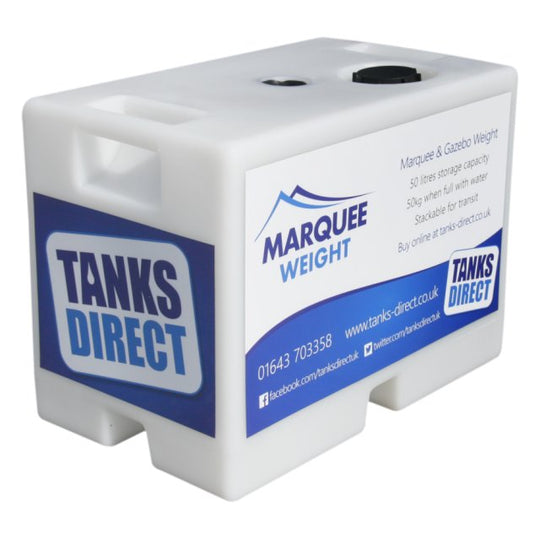
50kg Marquee Weight
£62.00EX VAT · £74.40 INCView product
150kg Marquee Weight
£107.50EX VAT · £129.00 INCView product
250 Litre Marquee Weight
£133.00EX VAT · £159.60 INCView product
57 Litre Wheel Arch Tank
£138.00EX VAT · £165.60 INCView product
350kg Marquee Weight
£185.00EX VAT · £222.00 INCView product
400 litre Baffled Water Tank, Flat
£215.00EX VAT · £258.00 INCView product
500 Litre Water Tank, Upright, Baffled
£229.00EX VAT · £274.80 INCView product
500 Litre Water Tank, Flat, Baffled
£229.00EX VAT · £274.80 INCView product
500 Litre Marquee weight/ Water Tank
£236.00EX VAT · £283.20 INCView product
16' Whirlaway Flat Surface Cleaner
£335.00EX VAT · £402.00 INCView product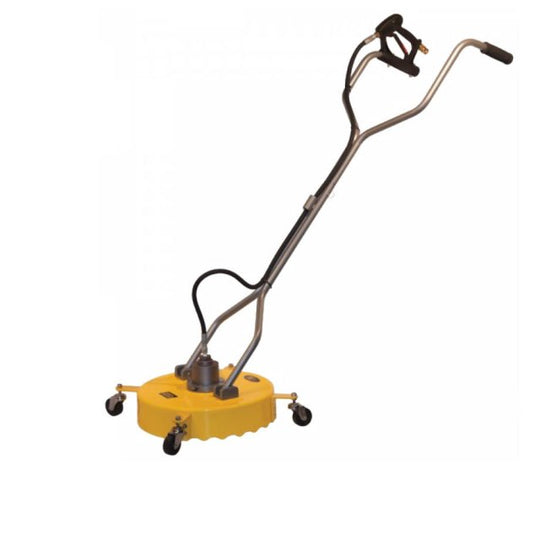
18' Whirlaway Flat Surface Cleaner
£355.00EX VAT · £426.00 INCView product
800 Litre Water Tank, Upright, Baffled
£359.00EX VAT · £430.80 INCView product
20' Whirlaway Flat Surface Cleaner
£362.00EX VAT · £434.40 INCView product
1000 Litre Water Tank, Flat
£366.00EX VAT · £439.20 INCView product
1000 Litre Water Tank, Upright, Baffled
£384.00EX VAT · £460.80 INCView product
20' Whirlaway Stainless Steel Flat Surface Cleaner
£540.00EX VAT · £648.00 INCView product


Talk to a
specialist
Sizing, regulations, installation. Our team has been answering these questions for over 25 years.
At Tanks Direct, we offer a wide range of reliable industrial water storage tanks for various uses. Our marquee weights provide stability and safety for tents or marquees on hard-standing surfaces where stakes cannot be used. These industrial water tank weights are easy to transport and set up, preventing unexpected mishaps caused by wind gusts or uneven ground. Our water bowsers provide a practical way to transport large quantities of water, whether you're in construction, agriculture, events, or emergency relief. Our bowsers come in different sizes to suit your specific needs. For powerful and efficient cleaning, check out our range of pressure washers. With these high-capacity machines, you can swiftly and effectively remove dirt, grime, and stubborn stains from surfaces like buildings, vehicles, and equipment. Look out for pressure washers that come with a range of nozzles and adjustable pressure settings, allowing you to effortlessly tackle a wide variety of cleaning tasks with ease. Designed to store, transport, and dispense water or cleaning solutions, our window cleaners and car valeting tanks are ideal if you are looking to set up a window cleaning or car valeting system or need a replacement for your current water tank.
If you need any help choosing a commercial water tank, our friendly team at Tanks Direct is on hand to help €“ just get in touch!
Commercial FAQs
How much do marquee weights weigh and how many do I need per marquee?
Our marquee weights typically range from around 20kg up to 40kg or more when filled with water or sand, and the number required depends on marquee size, leg count and expected wind conditions. As a general rule, every leg on hard-standing needs a weight where stakes can't be driven in, so a 6-leg marquee needs a minimum of 6 weights. For larger structures or exposed sites, it's worth checking the manufacturer's wind-loading guidance rather than guessing.
Can marquee weights be filled on site, or do they arrive ready to use?
Marquee weights are supplied empty so they're light to transport and handle, then filled with water (or sometimes sand) once on site using a hose or bowser. This keeps delivery and set-up simple, as an empty weight is a fraction of its filled weight. Once the event is over, they're simply drained down again for easy transport away.
What size water bowser do I need for a construction or agricultural site?
Bowser capacity depends on how the water is being used — dust suppression and site washdown on construction sites often calls for larger capacities of 1,000 litres or more, while smaller agricultural or livestock bowsers may only need a few hundred litres. Consider also what it's being towed by, as weight limits on your towing vehicle or quad bike will dictate a practical maximum. If you're topping up regularly from a mains supply or borehole, a mid-size bowser with a fast-fill connection is usually more practical than one large tank.
Are water bowsers road legal to tow behind a vehicle?
Many of our bowsers are supplied with a road-legal chassis, lights and braking system as standard, but this varies by model and size, so it's worth checking the specification before ordering. You'll also need to ensure your towing vehicle and licence category are suitable for the loaded weight, as a full bowser is considerably heavier than an empty one. If you're only using it on private land or site, road-legal features become less critical.
What PSI or flow rate should I look for in a commercial pressure washer?
For general vehicle and equipment cleaning, a pressure washer in the 1500–2000 PSI range is usually sufficient, while heavy-duty applications like removing ground-in grime from plant, patios or commercial premises benefit from higher pressure and flow rate. Flow rate (measured in litres per minute) affects how quickly you can clean a given area, so higher flow generally means faster jobs on large surfaces. Look for models with interchangeable nozzles and adjustable pressure so you can dial down for delicate surfaces like paintwork or glass.
What's the difference between a window cleaning tank and a car valeting tank?
Window cleaning tanks are typically designed to work with pure or de-ionised water systems, often with multiple compartments to separate treated and untreated water for pole-fed cleaning rigs. Car valeting tanks are usually set up to store and dispense water or cleaning solution for pressure washing and shampooing, sometimes with divided sections for clean water and waste. Both are commonly van-mounted, so check the tank's footprint and fixing points against your vehicle before ordering.