ETAO Range
ET AO separator range.

Charles Austen Air Blower ET60 AO
£120.00EX VAT · £144.00 INCView product
Charles Austen Air Blower ET80 AO
£141.82EX VAT · £170.18 INCView product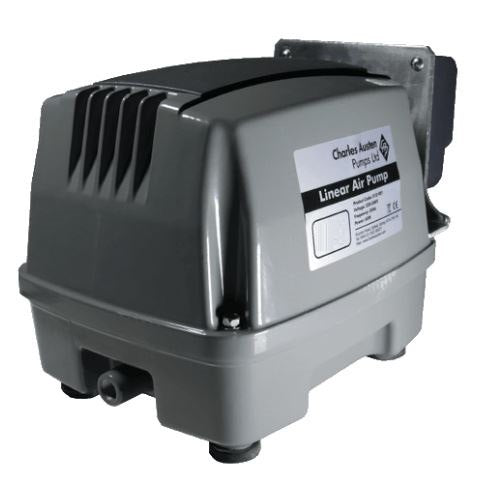
Charles Austen Air Blower ET100 AO
£163.64EX VAT · £196.37 INCView product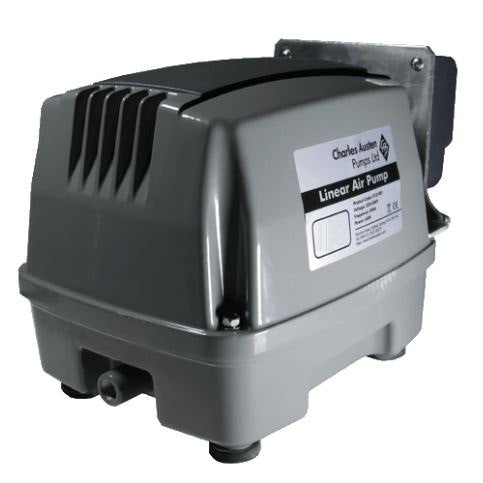
Charles Austen Air Blower ET120 AO
£176.36EX VAT · £211.63 INCView product
Blower Housing (Complete)
£63.54EX VAT · £76.25 INCView product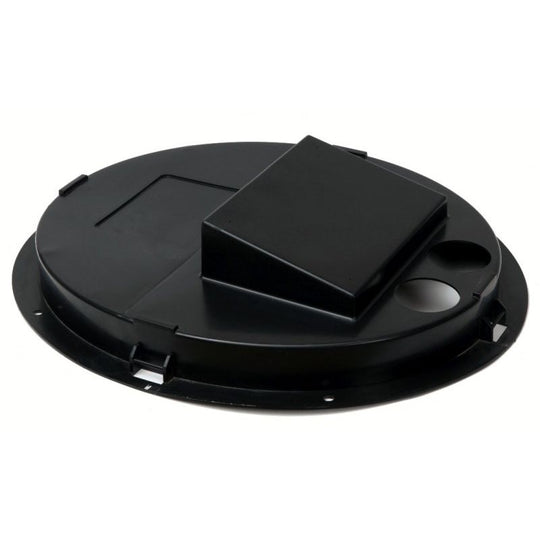
Blower Housing Base
£46.91EX VAT · £56.29 INCView product
Aeration Blower Housing Clips
£0.62EX VAT · £0.74 INCView product
1/2' Clear Braided Hose SOLD PER METRE
£2.14EX VAT · £2.57 INCView product
Hose Tail Elbow (1/2 BSP 12mm)
£2.33EX VAT · £2.80 INCView product
P006-012 Hose Reducer
£2.52EX VAT · £3.02 INCView product
3/4' Hose Joiners
£2.66EX VAT · £3.19 INCView product
Hose Tail Elbow (3/4 BSP 19mm)
£3.79EX VAT · £4.55 INCView product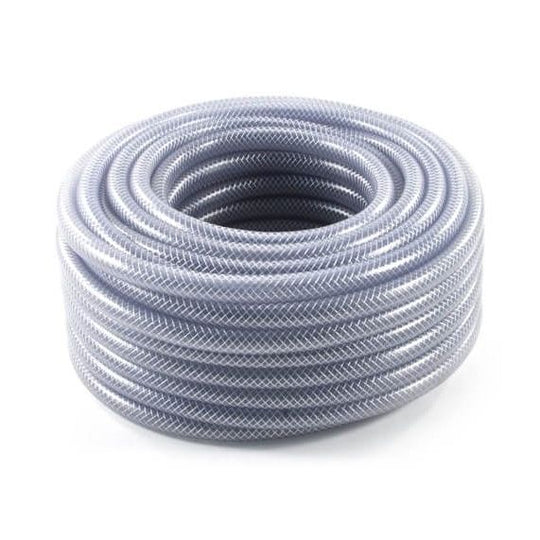
3/4' Clear Braided Hose SOLD PER METRE
£4.56EX VAT · £5.47 INCView product


Talk to a
specialist
Sizing, regulations, installation. Our team has been answering these questions for over 25 years.
ET AO Range FAQs
What sizes are available in the ET AO Range and how do I choose the right one?
The ET AO Range spans a wide capacity spread, so sizing comes down to daily usage, number of occupants or the collection area if it's feeding a rainwater system. As a rule of thumb, undersizing causes more problems than oversizing, so it's worth erring generously and checking manufacturer sizing charts against your specific application. If you're unsure, give our technical team your usage figures and we'll match you to the right model.
Are the ET AO tanks suitable for below-ground installation?
Yes, tanks in this range are designed for underground burial provided the installation instructions on backfill, groundwater conditions and cover depth are followed closely. Incorrect backfilling material or ignoring groundwater risk is the most common cause of tank flotation or deformation, so always check the site-specific guidance before digging. Where groundwater is high, anti-flotation measures such as a concrete collar or ballast are typically required.
Do I need planning permission or building regs approval to install one?
Most water storage and septic tank installations fall under building regulations (particularly Part H for drainage) rather than requiring full planning permission, though this depends on your specific use case and location. Septic tanks and treatment plants discharging to a watercourse or via a soakaway will usually need Environment Agency registration too. We'd always recommend checking with your local building control officer before installation to confirm what applies to your project.
What material are the ET AO tanks made from, and how durable are they?
The range is manufactured from robust GRP (glass-reinforced plastic) or polyethylene, both chosen for their corrosion resistance, structural strength and long service life compared with older steel or concrete tanks. GRP offers excellent rigidity for larger underground installations, while polyethylene is lighter and easier to manoeuvre on tighter sites. Both materials are maintenance-free beyond routine inspection and periodic desludging where applicable.
What access and inlet/outlet configurations do these tanks come with?
Tanks in the ET AO Range typically come with a lockable access cover for inspection and maintenance, along with pre-formed inlet and outlet connections sized to suit standard pipework. Cover height above finished ground level can usually be specified or adjusted with a riser to suit your installation depth. If you need a non-standard connection position or additional ports, let us know before ordering as this is far easier to specify upfront than to modify on site.
What should I expect on delivery, and do I need equipment to unload it?
These tanks are delivered on a kerbside pallet or flatbed lorry depending on size, and larger models will need mechanical assistance such as a forklift, telehandler or suitable lifting points on site, as the driver won't be able to manhandle them off. It's worth confirming access for a large vehicle down your route in advance, particularly on narrow lanes or tight residential drives. We'll always advise on approximate weight and dimensions ahead of delivery so you can arrange the right lifting equipment.