FloatValves
Automatic level control.
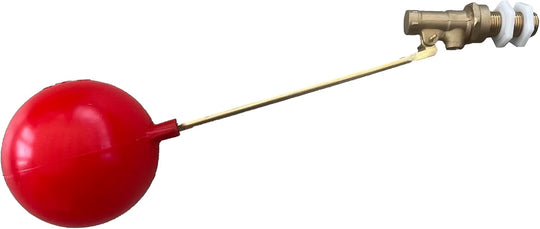
PlumbEZ 1/2" Part 1 Ball-Cock Float Valve with Ball/Float. Manufactured to BS1212
£6.29EX VAT · £7.55 INCView product
PlumbEZ Adjustable 1/2" Part 2 Ball-Cock Float Valve
£6.79EX VAT · £8.15 INCView product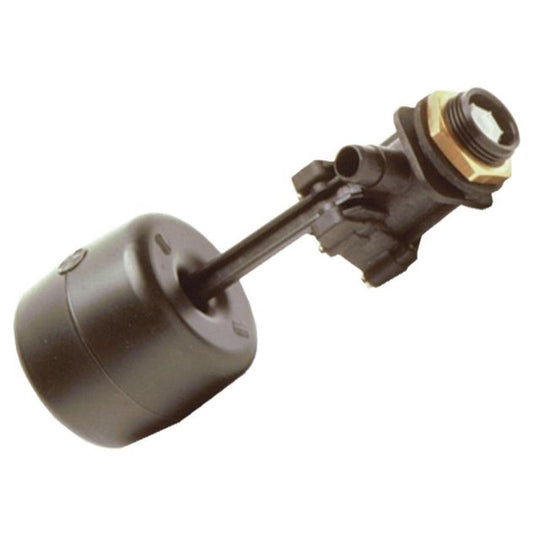
3/4'' RGP Plastic Float Valve
£21.00EX VAT · £25.20 INCView product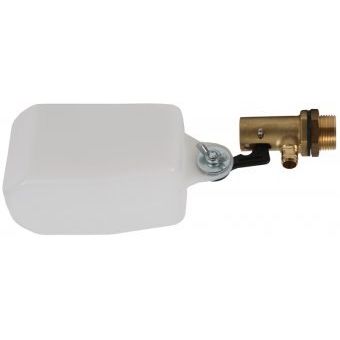
3/4' BSP Brass Float Valve
£28.00EX VAT · £33.60 INCView product
1/2' RGO Brass Float Valve
£45.00EX VAT · £54.00 INCView product
3/4' RGO Brass Float Valve
£46.00EX VAT · £55.20 INCView product


Talk to a
specialist
Sizing, regulations, installation. Our team has been answering these questions for over 25 years.
Float Valves FAQs
What size float valve do I need for my tank?
Float valves are sized by their inlet connection — typically ½", ¾", 1", 1½" or 2" BSP — which should match your incoming supply pipe rather than the tank size itself. As a rough guide, smaller domestic tanks usually take ½" or ¾" valves, while larger agricultural, fire or rainwater harvesting tanks need 1" and above to fill at a reasonable rate. If you're unsure, check the tank manufacturer's recommended inlet size before ordering.
What's the difference between a high-pressure and low-pressure float valve?
High-pressure valves are designed for mains-fed supplies, typically 1–10 bar, and have a smaller orifice to control flow without hammering. Low-pressure valves suit gravity-fed or header tank arrangements where pressure is minimal, using a larger orifice to still achieve a decent fill rate. Fitting the wrong type usually means either a trickle-fill or a valve that won't shut off cleanly.
Do float valves need to be WRAS approved?
Yes, if the valve is fitted to any tank storing water for domestic or drinking use, it must be WRAS approved to comply with the Water Supply (Water Fittings) Regulations. This ensures the valve won't contaminate the supply and includes an adequate air gap to prevent backflow. Non-potable applications, such as irrigation or rainwater tanks, don't carry the same legal requirement, though a quality valve is still recommended.
Plastic or brass float valve — which should I choose?
Plastic (usually ABS or nylon) valves are lightweight, corrosion-proof and well suited to most water storage and rainwater harvesting tanks. Brass valves offer greater durability and are often preferred for higher-pressure or heavy-use commercial installations, though they cost more and can be prone to scale build-up in hard water areas. Both perform well provided they're correctly sized and rated for your pressure.
Where should the float valve be positioned in the tank?
The valve should be mounted high enough that the float arm can rise and fall freely without fouling the tank wall or any internal fittings, and set to shut off before the tank reaches its overflow level. On potable tanks, WRAS regulations require an air gap between the valve outlet and the water's maximum level to prevent backflow contamination. Always check the arm swing radius against your tank's inlet aperture before fitting.
Can a float valve be used on a septic tank or pump station?
Float valves themselves are for controlling incoming clean water supply, so you won't find them fitted to septic tanks — instead these use float switches to trigger pumps or alarms based on liquid level. If your septic tank or treatment plant has a separate freshwater top-up or header tank, a standard float valve would be used there. Make sure you order the correct component for the job, as the two are often confused.