Gauges
See your stored level.

Float Type Clock Contents Gauge
£28.00EX VAT · £33.60 INCView product
Apollo Ultrasonic Wireless Tank Gauge
£69.69EX VAT · £83.63 INCView product
Watchman SENSiT Domestic Oil tank Monitor/ Gauge
£94.99EX VAT · £113.99 INCView product
Magnus HAWKi Smart Tank Monitor
£95.82EX VAT · £114.98 INCView product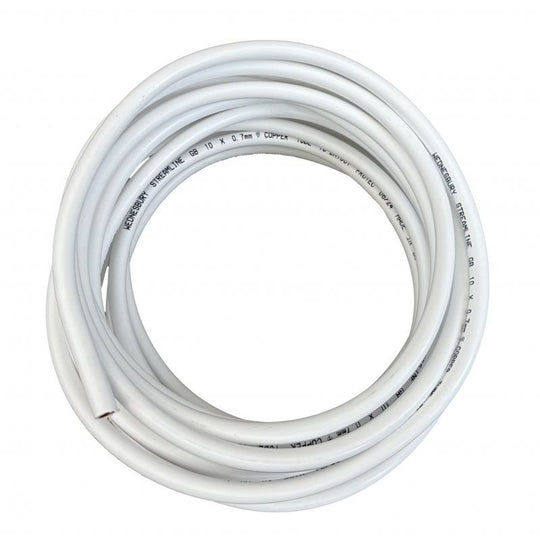
UPVC Coated Oil Line - 10mm Copper Pipe Work 25 Metre Coil
£135.00EX VAT · £162.00 INCView product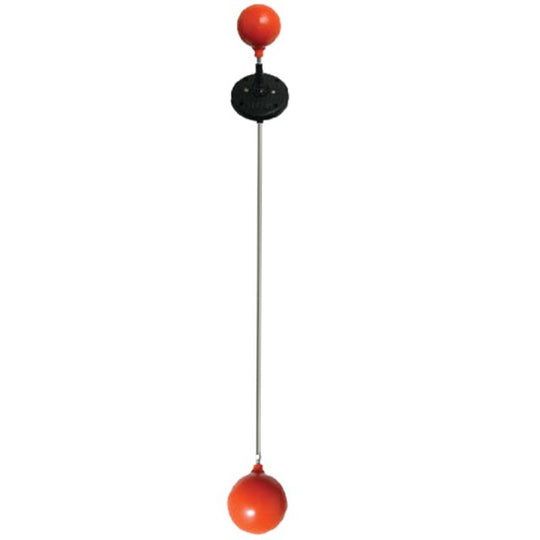
VisiBall Water Level Indicator
£180.00EX VAT · £216.00 INCView productUPVC Coated Oil Line - 10mm Copper Pipe Work 50 Metre Coil
£240.00EX VAT · £288.00 INCView product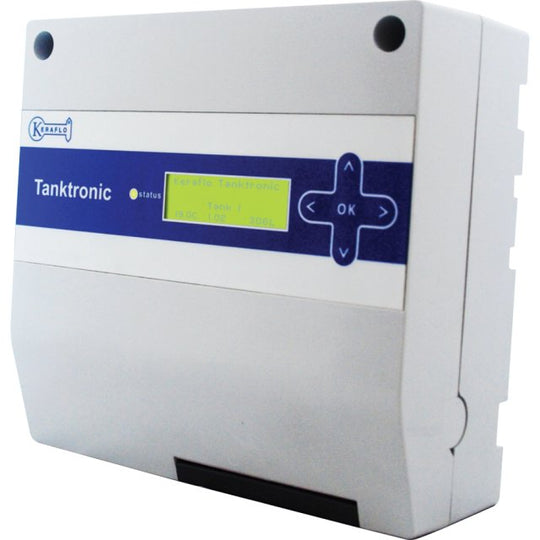
Tanktronic water level and temperature monitor, single sensor, 3m cable
£753.00EX VAT · £903.60 INCView product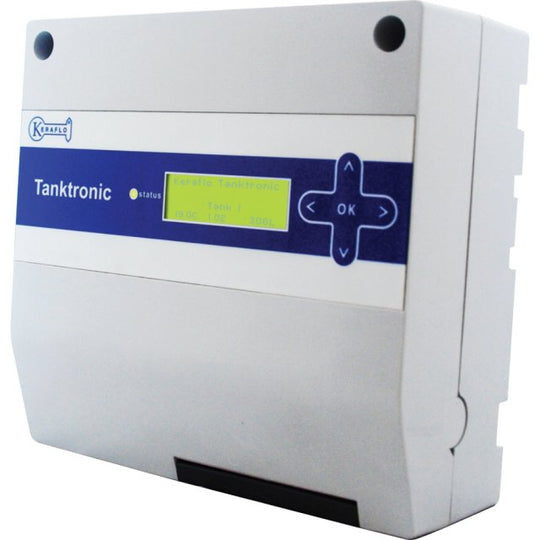
Tanktronic water level and temperature monitor, single sensor, 5m cable
£813.00EX VAT · £975.60 INCView product
Tanktronic water level and temperature monitor, twin sensors, 3m cable
£1,165.00EX VAT · £1,398.00 INCView product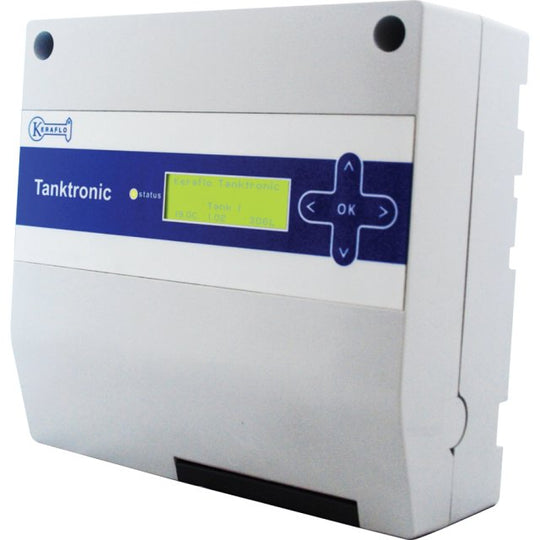
Tanktronic water level and temperature monitor, twin sensors, 5m cable
£1,256.00EX VAT · £1,507.20 INCView product


Talk to a
specialist
Sizing, regulations, installation. Our team has been answering these questions for over 25 years.
At Tanks Direct, our top-of-the-line water gauges are designed to provide accurate and reliable measurements for your water storage systems. Whether you're managing residential, commercial, or industrial water tanks, our water gauges are engineered to deliver precise measurements, empowering you with real-time insights.
Our range of water gauges is designed to cater to a variety of tank types and sizes. From compact residential units to expansive commercial and industrial tanks, these gauges are engineered with high-quality materials to deliver consistent performance over the long term. Designed for ease of use, our gauges come with clear instructions and user-friendly interfaces, ensuring that setting up and monitoring your water levels is a seamless process.
Some of our models come equipped with advanced features, such as wireless connectivity and mobile app integration, allowing you to monitor your water levels remotely. Stay in control, receive alerts, and make informed decisions about your water usage from the palm of your hand.
At Tanks Direct, we also offer a range of water pumps and controllers to move or transport water from one location to another, water filters for removing impurities and contaminants from your tank, plus a wide range of valves, pipes, and other water tank fittings for the proper functioning and maintenance of your water storage units.
Gauges FAQs
What types of water gauge are available, and how do they differ?
The main options are mechanical float gauges, which show level via a visible dial or float indicator, and electronic/ultrasonic gauges, which use a sensor to measure level and display it digitally or via an app. Mechanical gauges are simple, low-cost and need no power source, while electronic models offer greater accuracy, remote monitoring and alert features. The right choice depends on your tank type, access, and whether you need to check levels on-site or remotely.
Will a gauge fit my existing tank, or do I need one designed specifically for it?
Most gauges are designed to suit a particular tank profile, such as vertical cylindrical, horizontal cylindrical, or flat-panel GRP tanks, so it's important to match the gauge to your tank shape and depth. Fitting thread size and cable or probe length also need to correspond to your tank's dimensions and outlet position. If you're unsure, measure your tank's height and check the manufacturer's fitting guide, or get in touch with our team for guidance before ordering.
Can I fit a water gauge myself, or does it need a professional installer?
Most mechanical float gauges are straightforward to fit yourself, typically screwing into an existing boss or fitting on the tank via a threaded connection, with no specialist tools required. Electronic and wireless gauges are also generally designed for DIY installation, though some models with app integration may require a brief set-up process to pair with your home network. If your gauge is being fitted to a buried or below-ground tank, or as part of a sewage treatment system, we'd recommend professional installation to ensure the sensor and any cabling are properly sealed.
Are your gauges suitable for use with septic tanks and sewage treatment plants, or just water storage?
Some gauges are suitable for waste-water applications, but you do need a model specifically rated for septic or effluent use, as standard potable water gauges aren't designed to cope with solids or the corrosive conditions found in sewage systems. Check the product description for compatibility before ordering, and if in doubt, ask us to confirm suitability for your specific tank and application. Using the wrong gauge type in a waste-water tank can lead to inaccurate readings or premature failure.
How accurate are wireless and app-connected gauges, and do they need calibrating?
Wireless and ultrasonic gauges are generally very accurate, often to within a few millimetres, but performance can be affected by tank shape, turbulence, or obstructions inside the tank such as pipework. Most models come pre-calibrated for standard tank profiles, though some allow manual calibration to fine-tune readings for your specific tank once installed. It's worth checking the manufacturer's instructions during set-up to ensure the sensor is positioned correctly for the most reliable results.
Are gauges suitable for outdoor and below-ground tanks, or only indoor use?
Many gauges are built for outdoor use and weatherproofed to IP-rated standards, making them suitable for above-ground tanks exposed to the elements, and some electronic models are specifically designed to work with buried or underground tanks via a remote sensor and separate display unit. Always check the IP rating and any depth or cable-length specification before buying if your tank is below ground or in an exposed location. This ensures the electronics stay protected and the gauge continues to perform reliably over time.