FuelAccessories / Spares
Fuel tank service parts.

Oil Tank Filter Maintenance Kit
£12.56EX VAT · £15.07 INCView product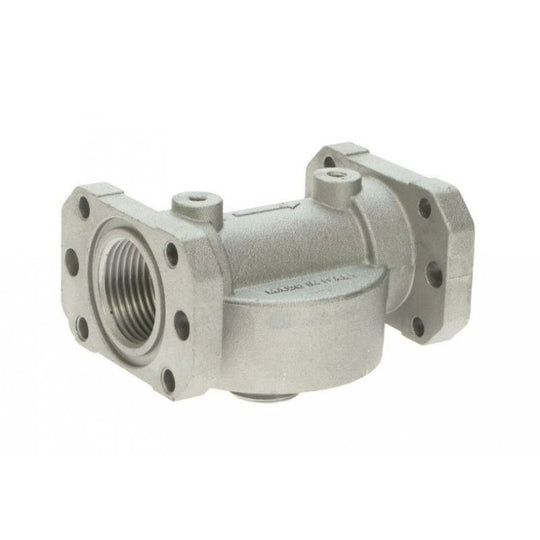
Cim-Tek Filter Head/Adaptor 260 Series
£18.63EX VAT · £22.36 INCView product
DESO Metal Keys and Lock Barrel
£25.00EX VAT · £30.00 INCView product
Cim-Tek Compact Water & Particulate Fuel Filter 50lpm 10 Micron
£35.99EX VAT · £43.19 INCView product
Watchman Sonic Advanced - Receiver Plug Only
£36.45EX VAT · £43.74 INCView product
18' - Deso or Atlas BLACK LID (Old Style)
£40.08EX VAT · £48.10 INCView product
Watchman SENSiT Smart WiFi tank level USB receiver
£49.69EX VAT · £59.63 INCView product
TM430 Level Indicator
£51.54EX VAT · £61.85 INCView product
TM900 Level Indicator
£51.54EX VAT · £61.85 INCView product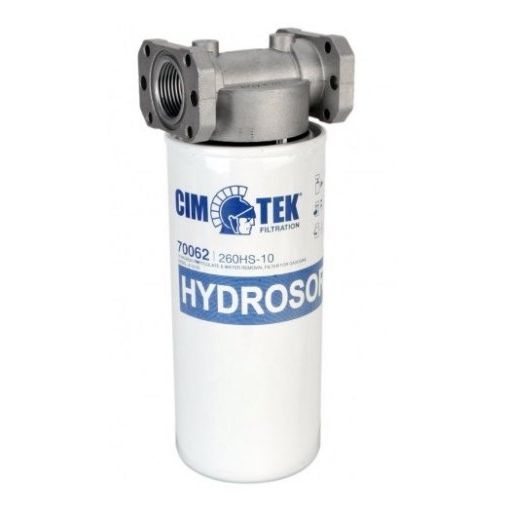
CIM-TEK HYDROSORB 70062 FILTER 10 MICRON WATER BLOCK WITH FLANGE
£53.88EX VAT · £64.66 INCView product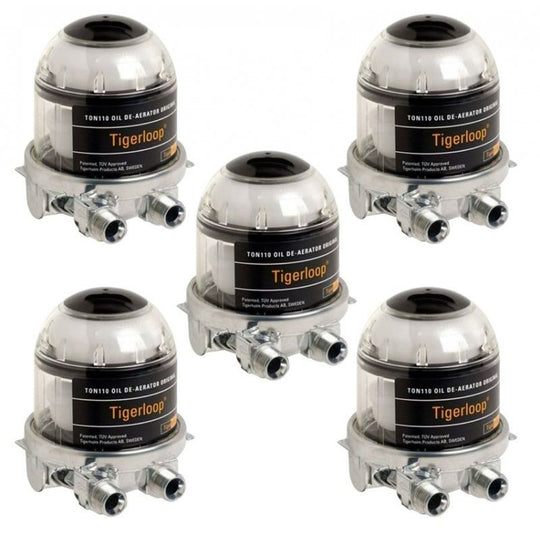
Tigerloop Original De-Aerator - External Fitting **Multibuy offer**
£236.58EX VAT · £283.90 INCView product


Talk to a
specialist
Sizing, regulations, installation. Our team has been answering these questions for over 25 years.
Proper management of your fuel tank is crucial for ensuring a reliable and efficient heating system. At Tanks Direct, we offer a comprehensive range of fuel tank spares and accessories to help you keep your tank in top condition.
Our high-quality fuel tank lids and caps protect your fuel supply and environment providing a secure seal, preventing contamination, evaporation, and potential spills. For added peace of mind, our oil tank alarms offer early warning of potential issues such as leaks, overfills, or frost damage. By detecting problems promptly, you can take immediate action to minimise the impact and avoid costly repairs. You can precisely monitor your fuel levels with our reliable level indicators, that provide accurate readings to help you schedule refills efficiently and avoid unexpected disruptions to your heating. To ensure optimal fuel flow, our outlet kits offer essential components for connecting your tank to your heating system. For added control, consider installing a ball valve, allowing you to easily regulate the fuel flow as needed.
Our knowledgeable team is always on hand to offer expert advice on choosing the right accessories for your fuel tank. Plus, we also offer a price match guarantee, ensuring you get the best value for your money.
Fuel Accessories / Spares FAQs
How do I make sure a replacement lid or cap fits my existing tank?
Fuel tank lids and caps aren't universal — thread sizes and neck diameters vary between manufacturers such as Titan, Harlequin and Deso, and between older and newer tank models. Measure the neck opening and check for any moulded part numbers before ordering, and if you're unsure, our team can help match it from a photo or the tank's age and make. Fitting a poorly matched lid risks a weak seal, letting in water or debris.
Do I need an electrician to fit an oil tank alarm?
Most domestic oil tank alarms are battery-powered, self-contained units that bolt straight onto the tank top or float gauge fitting, so no electrical qualification is needed. Wired or BMS-linked alarms for larger commercial installations may need a competent installer, but this is the exception rather than the rule. Always check the battery periodically, as this is the most common reason for a false sense of security.
What's the difference between a mechanical and electronic level indicator?
Mechanical (float-based) indicators give a visual reading through a sight gauge on top of the tank and need no power source, making them a reliable, low-maintenance choice for most home heating oil tanks. Electronic indicators use a sensor to send remote readings to a display or app, useful where the tank is hard to access or you want to monitor levels without going outside. Both need to be matched to your tank's depth for an accurate reading.
What comes in a standard outlet kit, and will it fit my tank?
A typical outlet kit includes the outlet fitting, a fire valve (where required), sealing washers and connecting pipework to link the tank to your boiler feed. Outlet position and thread size differ between bunded and single-skin tanks, so check your tank's outlet spec, usually 1/2" or 3/4" BSP, before ordering. Fitting should always maintain the tank manufacturer's warranty conditions and comply with OFTEC installation guidance.
Why would I fit a ball valve to my fuel tank outlet?
A ball valve lets you shut off fuel flow manually at the tank, which is essential for isolating supply during boiler servicing, pipework repairs or in an emergency. It's a straightforward addition to most outlet kits and, unlike a fire valve, gives you direct control rather than automatic shut-off. We'd recommend one on any installation where the tank feed isn't easily isolated elsewhere.
Are your fuel tank accessories suitable for both oil and diesel tanks?
Most lids, caps, alarms and level indicators in this range are suitable for heating oil, kerosene and diesel storage tanks alike, as the fittings and thread standards are common across fuel types. It's the tank construction — bunded or single-skin, above or below ground — that dictates the exact outlet and cap fitting rather than the fuel itself. If you're at all unsure which spare matches your setup, send us the tank make and model and we'll confirm compatibility before you order.